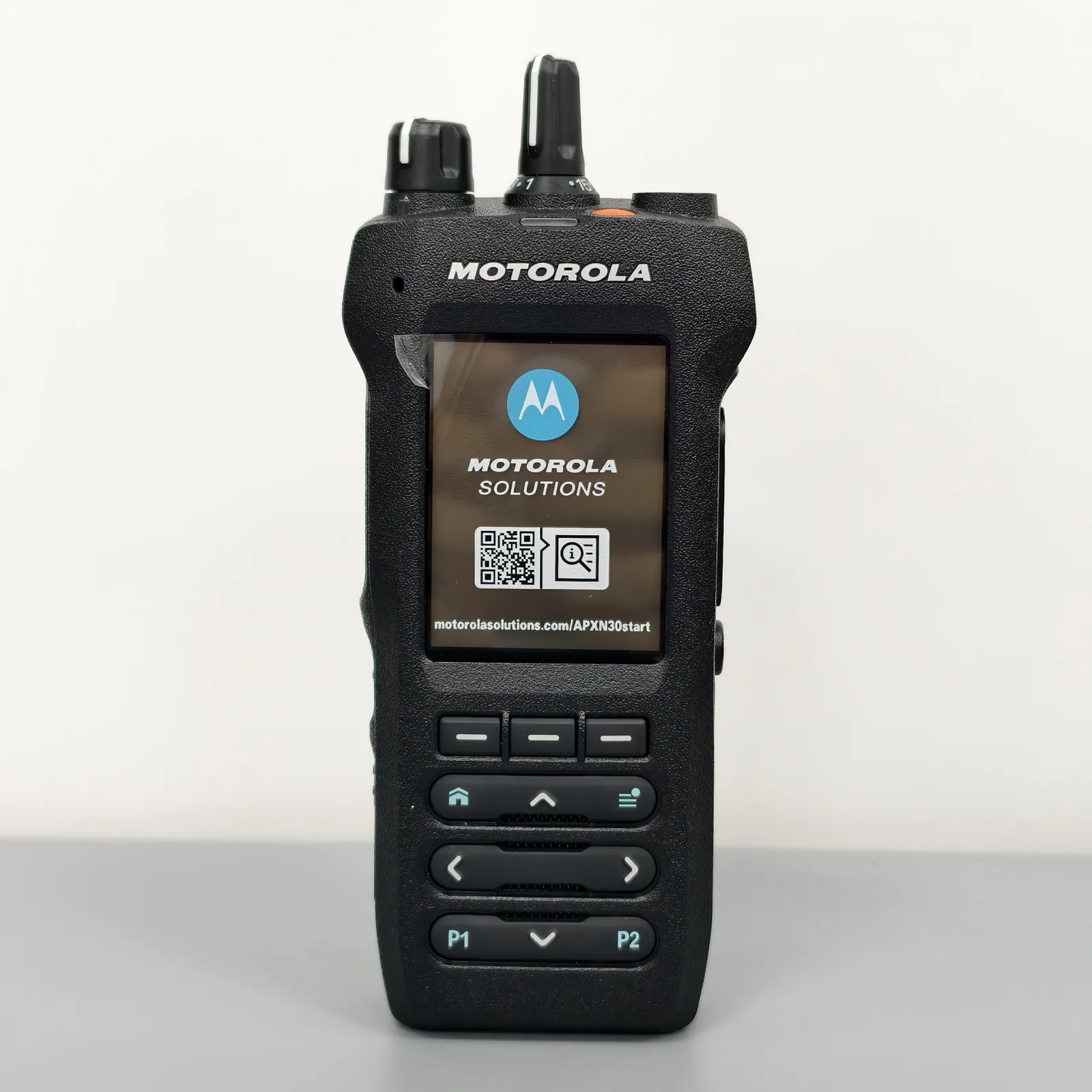
Walkie Talkie in the APX family. Bands 700/800. Channel capacity 512. Ingress protection IP68.
Frequency band700/800 MHz; P25 Digital/Analog
MOQ2 PCS
Lead time1–7 days
Category
Handheld two-way radios for site, plant and field teams, including hazardous-area listed builds where the project requires them.
These 62 identifiers are split across 8 families, and the split is not cosmetic. The family decides which protocol the radio speaks, and the protocol is the one property that no programming file can change afterwards. Read the protocol column first, then the band, then the ingress figure.
Protocol is decided inside the radio. A unit bought for the wrong one cannot be reprogrammed into the right one, so this is the first column worth reading — before band, before ingress, before price.
| Protocol | Identifiers | Families | Example |
|---|---|---|---|
| Analogue | 40 | APX · CP · DP · GP · R · SL | APX N30 |
| DMR | 29 | CP · DP · R · SL | CP100D |
| P25 | 15 | APX · SRX | APX N30 |
| TETRA | 8 | MTP | MTP3150 |
| Not recorded | 1 | — | Protocol field left empty rather than assumed |
A unit that carries two modes is counted in both rows, so the column adds up to more than the number of identifiers in the family. “Not recorded” is a field the record does not carry, left visible rather than filled from a neighbouring identifier.
An identifier belongs to one family, and the family is where the shared behaviour sits. The band and ingress columns are the union of what the records in that family state — where a family spans several ratings, that spread is shown instead of one representative figure.
| Family | Models | Protocol | Bands | Ingress |
|---|---|---|---|---|
| APX | 14 | P25 · Analogue | VHF · UHF · 700 MHz · 800 MHz · 900 MHz | IP67 · IP67 (higher on some XE configurations) · IP68 · IP68 (2 m/4 h, configuration-dependent) |
| CP | 6 | DMR · Analogue | VHF · UHF | IP54 · IP54/55 (version-dependent) · MIL-STD 810 C/D/E/F; no IP rating stated on the official page |
| DP | 17 | DMR · Analogue | VHF · UHF · 800 MHz | IP54 · IP55 · IP57 · IP67 · IP68 |
| GP | 6 | Analogue | VHF · UHF | IP54 |
| MTP | 8 | TETRA | 350 MHz | IP54 · IP55 · IP55/IP65 (model-dependent) · IP55/IP65 (version-dependent) |
| R | 6 | DMR · Analogue | VHF · UHF · 800 MHz · 900 MHz | IP55 · IP66 + IP68 (2 m/2 h) · IP67 |
| SL | 4 | DMR · Analogue | VHF · UHF | IP54 |
| SRX | 1 | P25 | VHF · UHF · 700 MHz · 800 MHz | IP67/IP68 (configuration-dependent) |
Read down the left column until one line describes your site. Each answer names the identifiers that carry the property, and the reason it does.
Look at: APX · SRX
15 identifiers record P25 — 14 APX and 1 SRX. No other family in this category lists it.
Look at: MTP
8 identifiers, every one of them recorded at 350 MHz. Nothing else in this catalogue records TETRA.
Look at: DP · R · SL
29 identifiers list DMR and Analogue in the same record, which is the manufacturer's own statement that the unit carries both modes.
Look at: DP4401ex · DP4801ex
The two DP identifiers whose names carry an Ex build. Both record IP67, where the non-Ex DP4401e and DP4801e record IP68 — the Ex enclosure does not carry the higher figure.
Look at: CP · GP
9 identifiers list analogue and nothing else. Ingress is IP54 or IP54/55 depending on version, not IP67.
Look at: SL
4 identifiers at IP54 on VHF/UHF, carrying DMR and Analogue.
TETRA here is 350 MHz only. A 380–400 MHz deployment is a different record, not a different programming file.
This category spans IP54 to IP68. There is no family-level ingress figure, so the per-identifier field is the only one that means anything — a family average would describe no radio in it.
2 of 62 identifiers still carry an unresolved figure (CP1200 and GP328), and the field says so instead of being filled in from elsewhere.
Walkie Talkie in the APX family. Bands 700/800. Channel capacity 512. Ingress protection IP68.
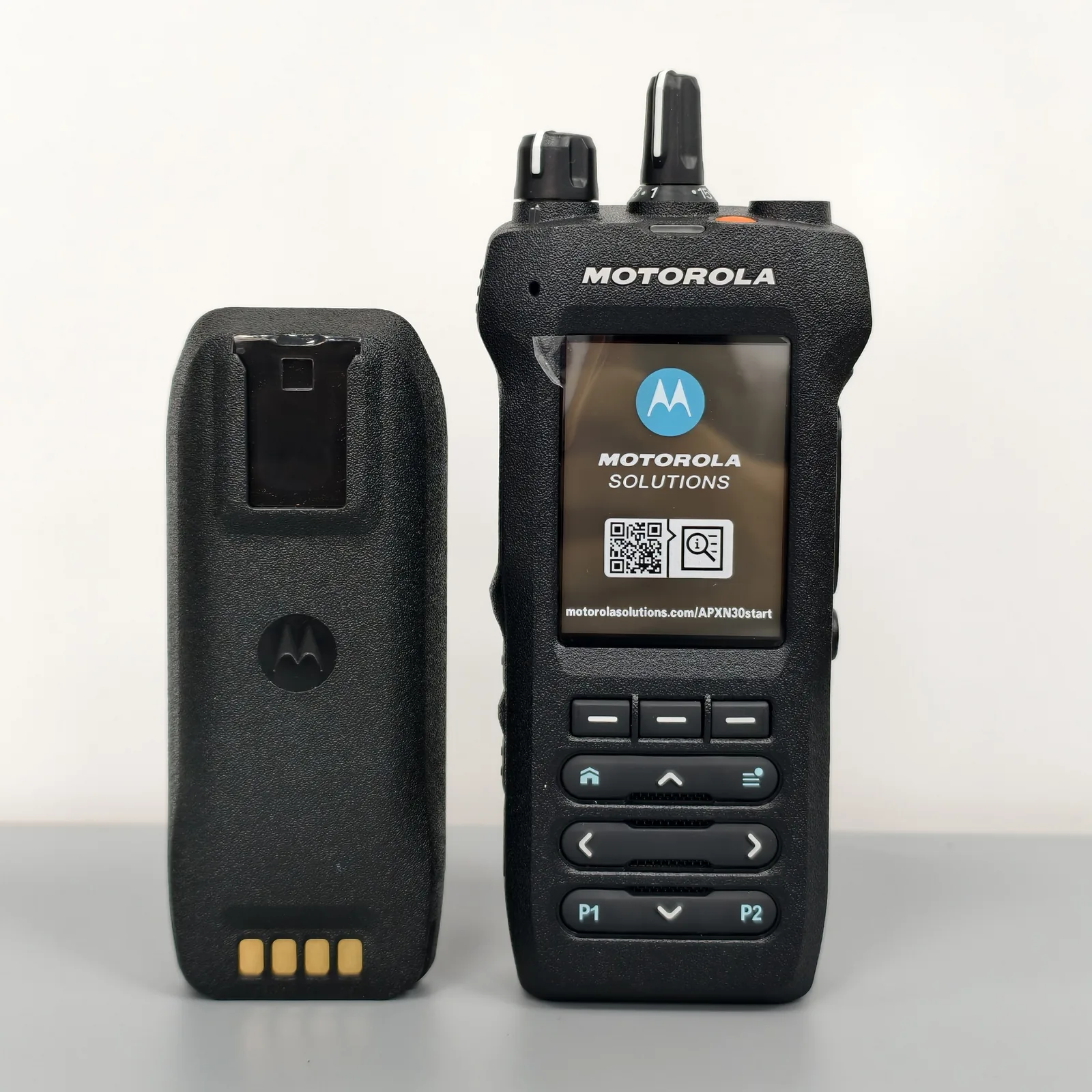
Walkie Talkie in the APX family. Bands VHF/700/800. Channel capacity 512 / 1000. Ingress protection IP68.
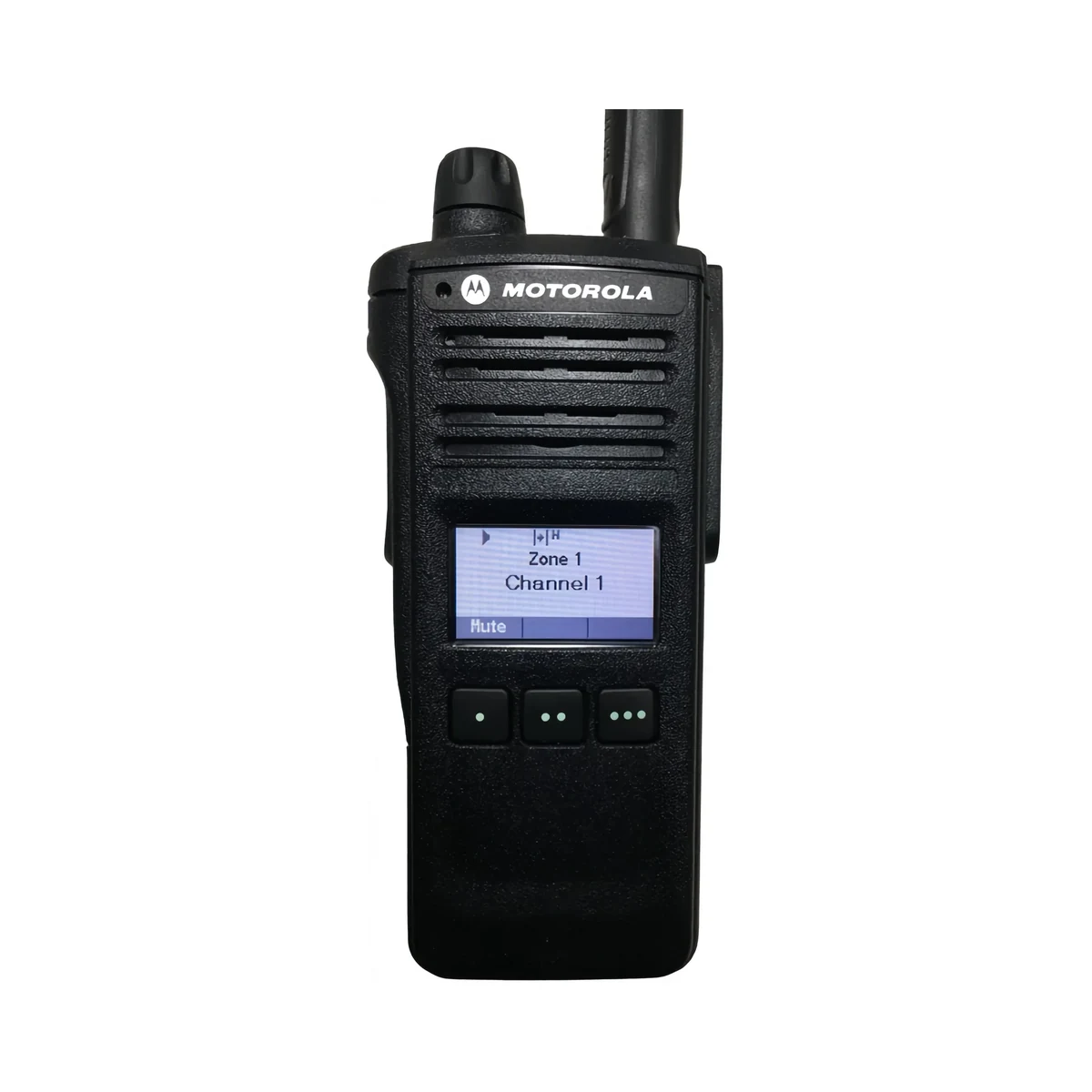
Walkie Talkie in the APX family. Bands VHF/UHF/700/800/900. Channel capacity 512. Ingress protection IP67.
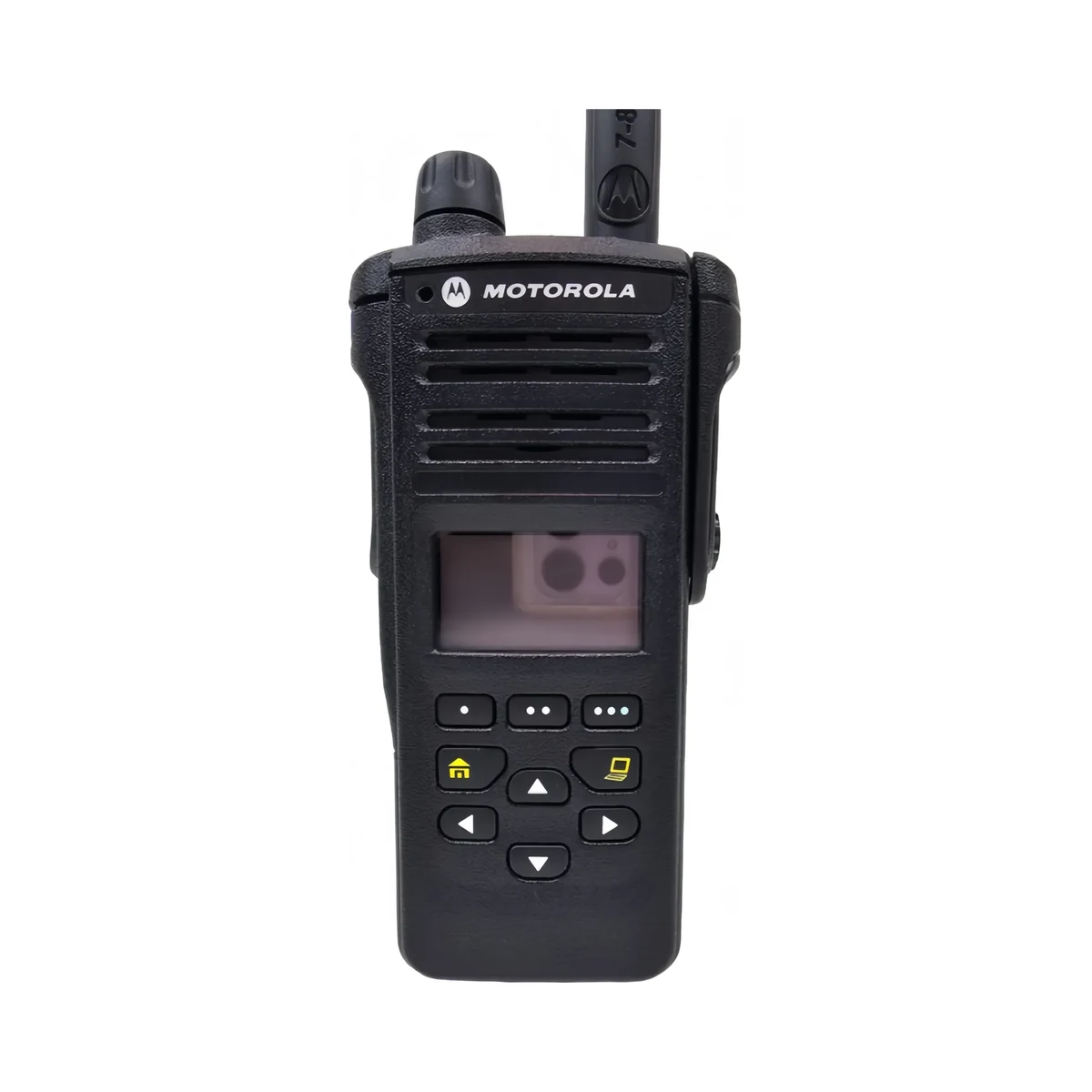
Walkie Talkie in the APX family. Bands VHF/UHF/700/800/900. Channel capacity 512. Ingress protection IP67.
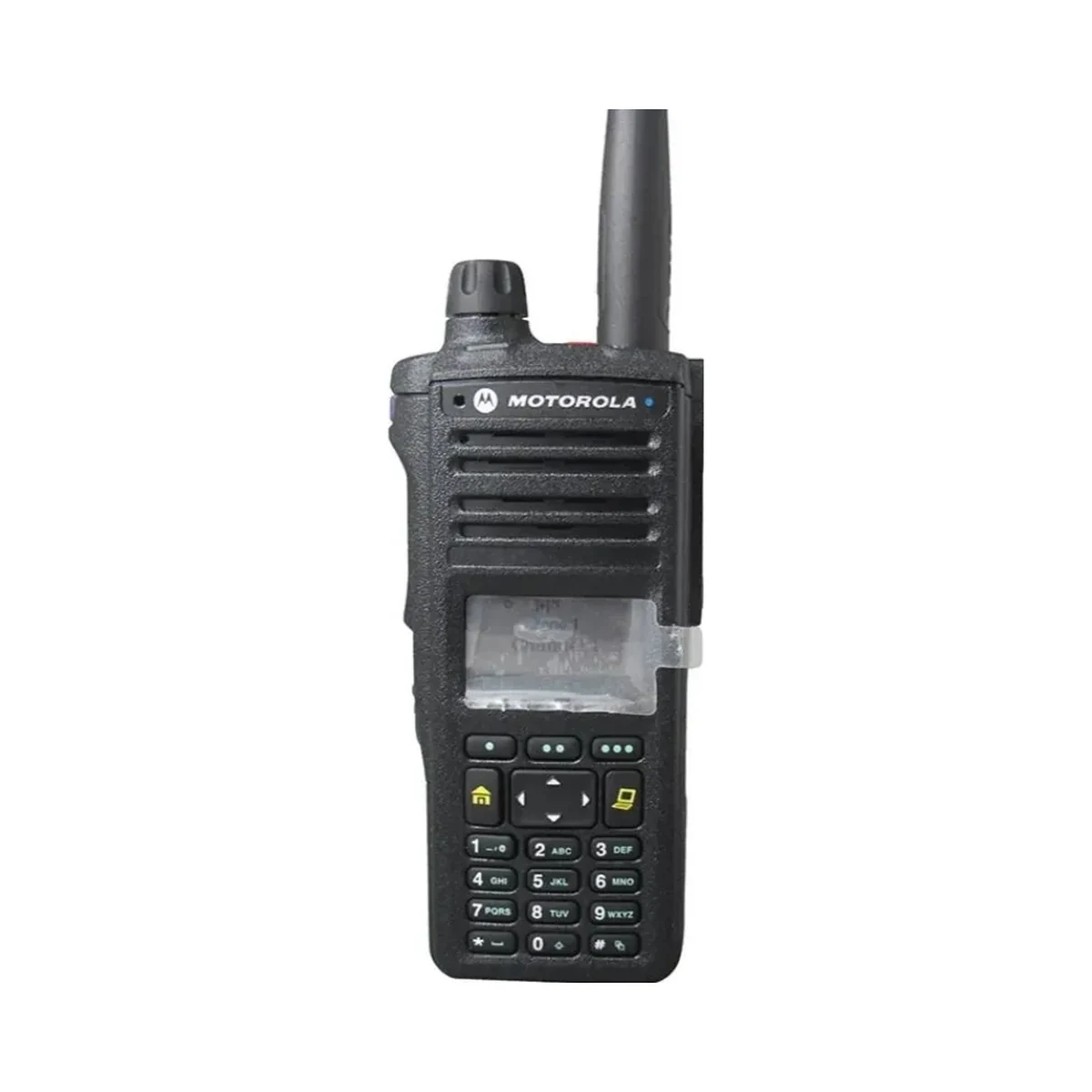
Walkie Talkie in the APX family. Bands VHF/UHF/700/800/900. Channel capacity 512. Ingress protection IP67.
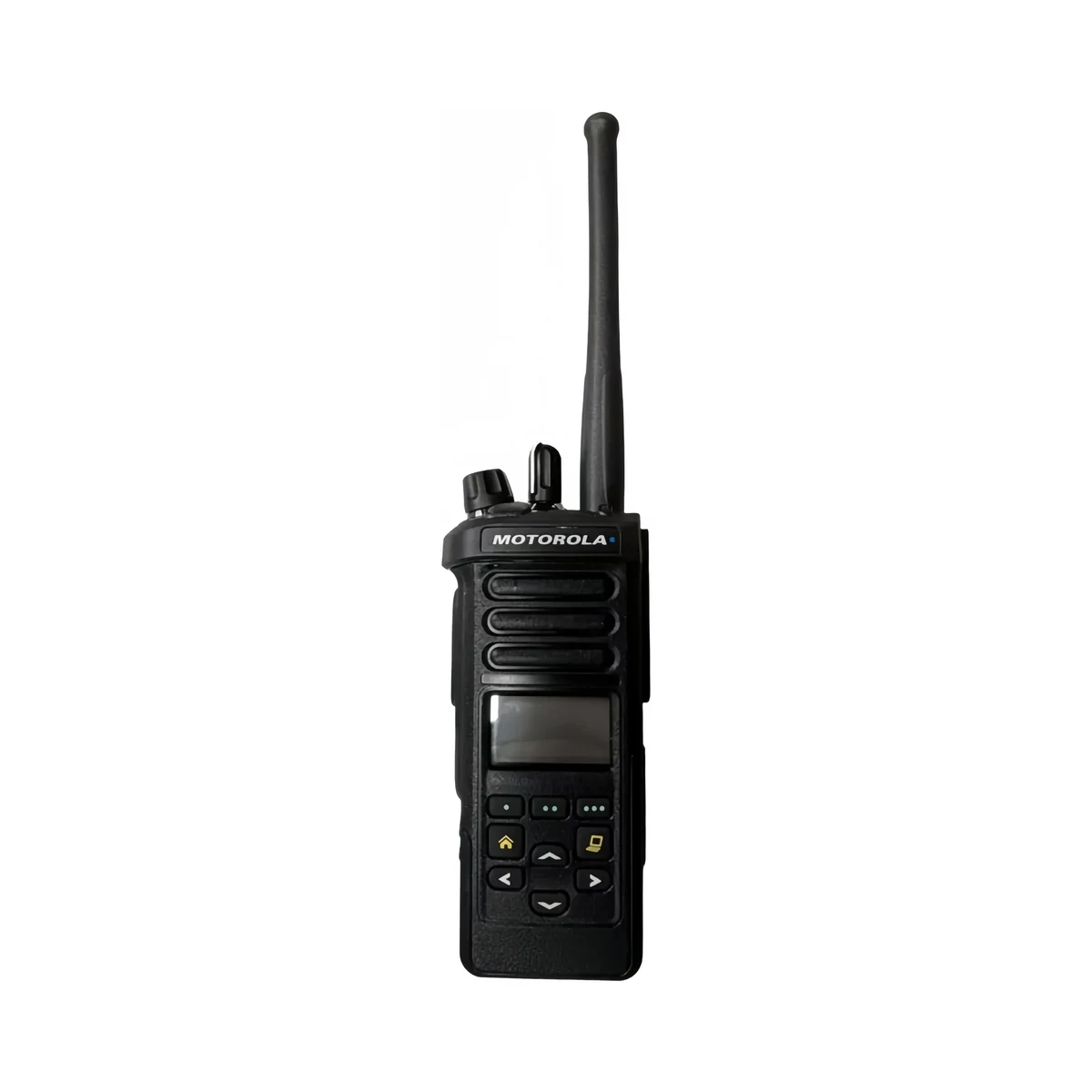
Walkie Talkie in the APX family. Bands VHF/UHF/700/800/900. Channel capacity 1000. Ingress protection IP67.
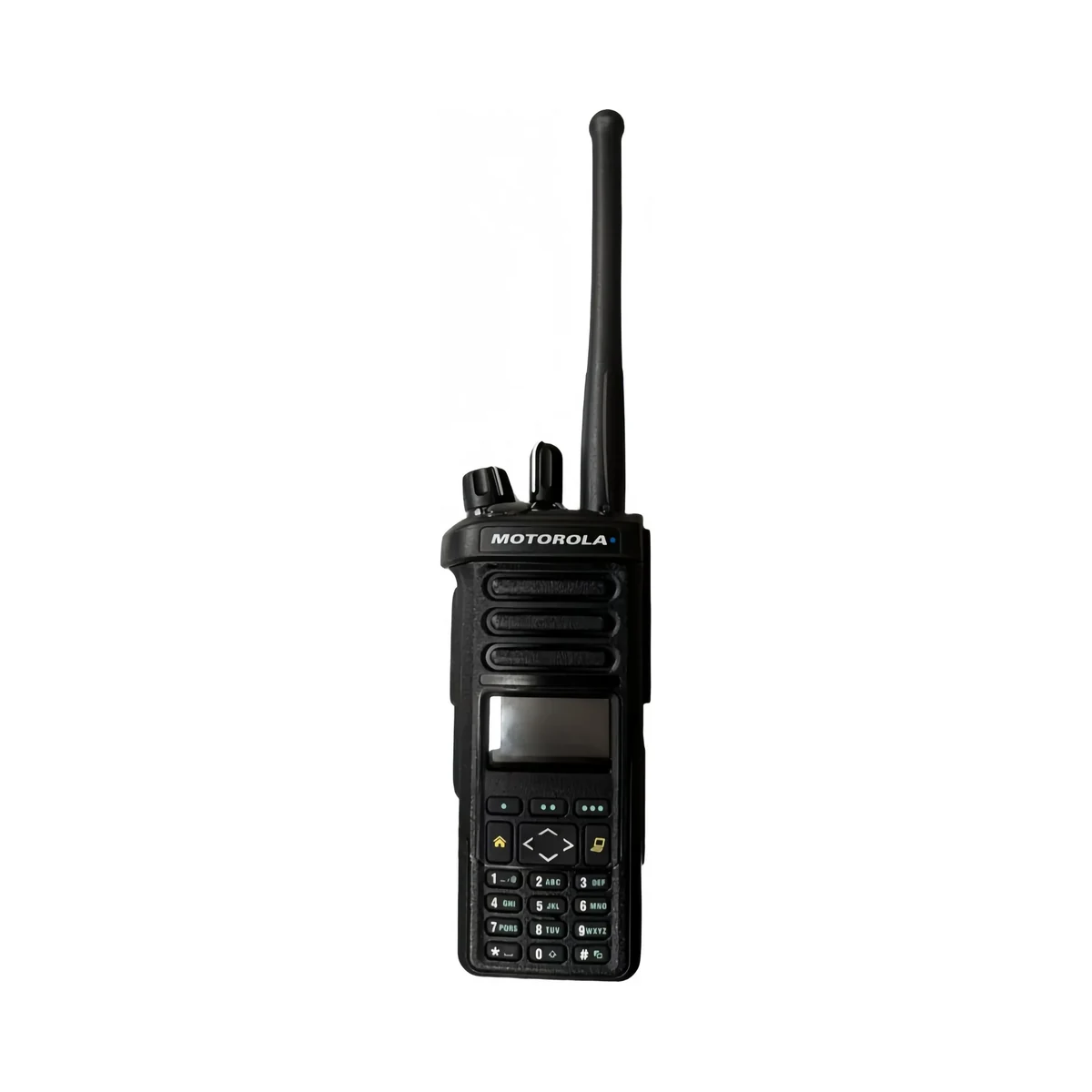
Walkie Talkie in the APX family. Bands VHF/UHF/700/800/900. Channel capacity 1000. Ingress protection IP67.
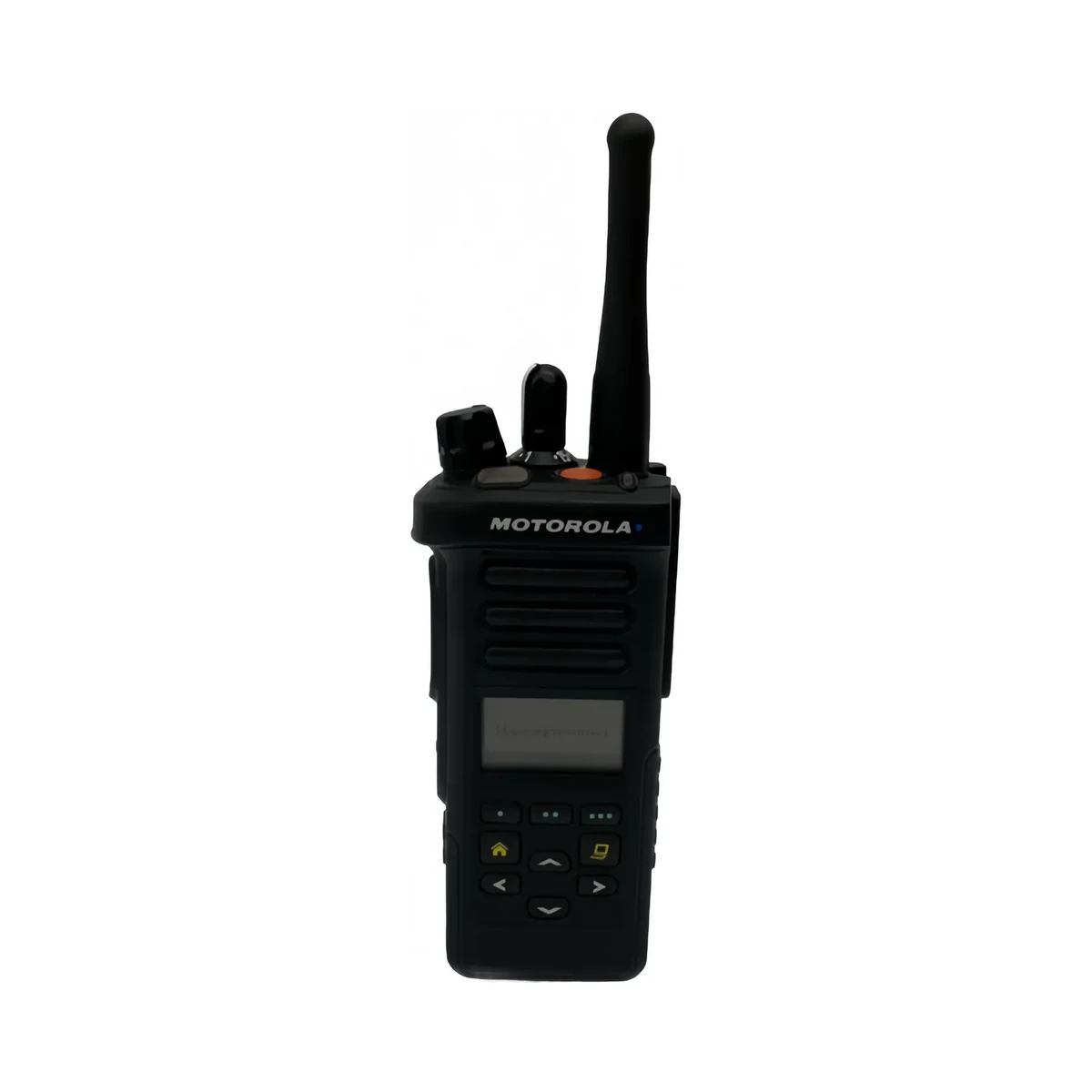
Walkie Talkie in the APX family. Bands VHF/UHF/700/800. Channel capacity 512 / 1000. Ingress protection IP67.
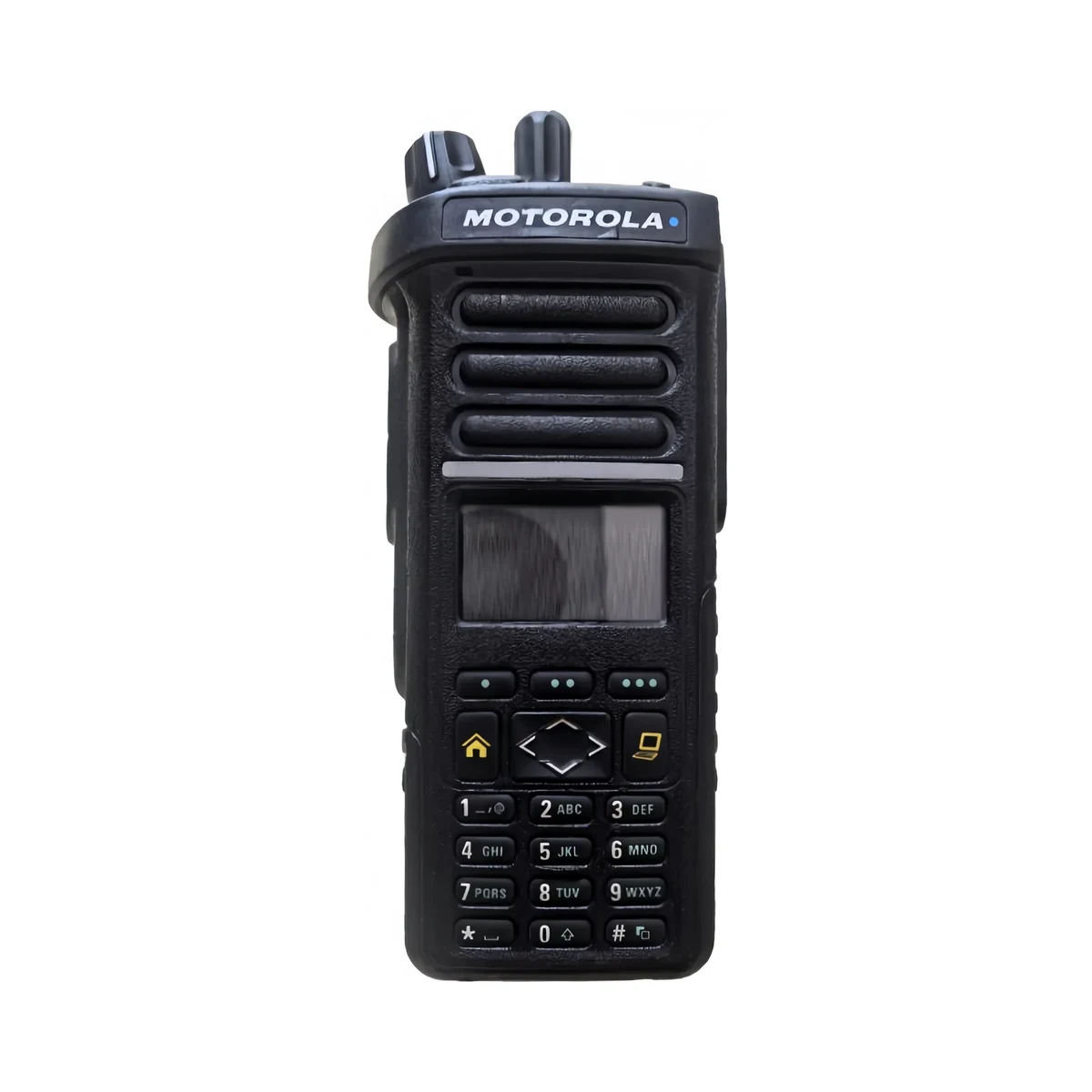
Walkie Talkie in the APX family. Bands VHF/UHF/700/800. Channel capacity 512 / 1000. Ingress protection IP67.
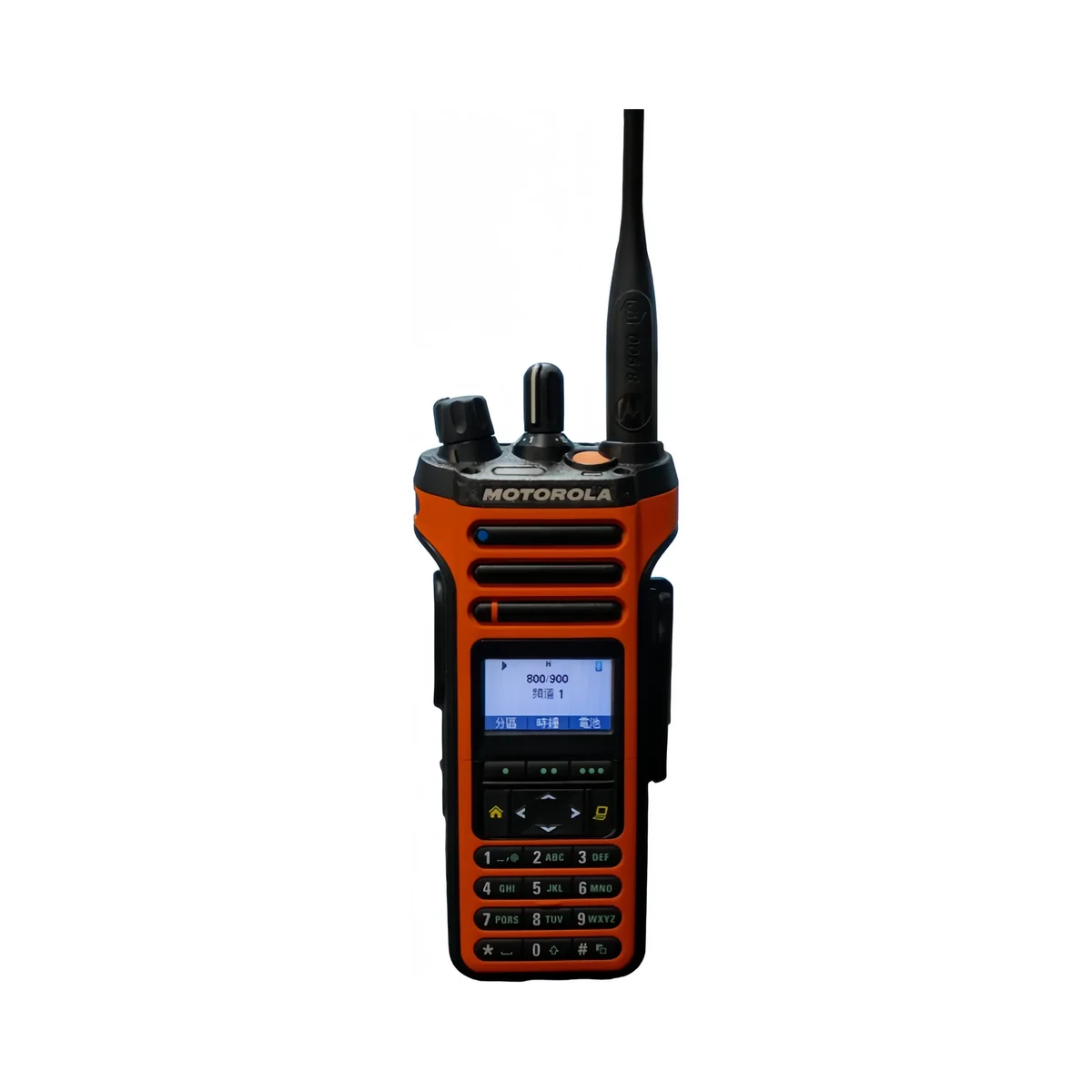
Walkie Talkie in the APX family. Bands VHF/UHF/700/800. Channel capacity 512 / 1000. Ingress protection IP67.
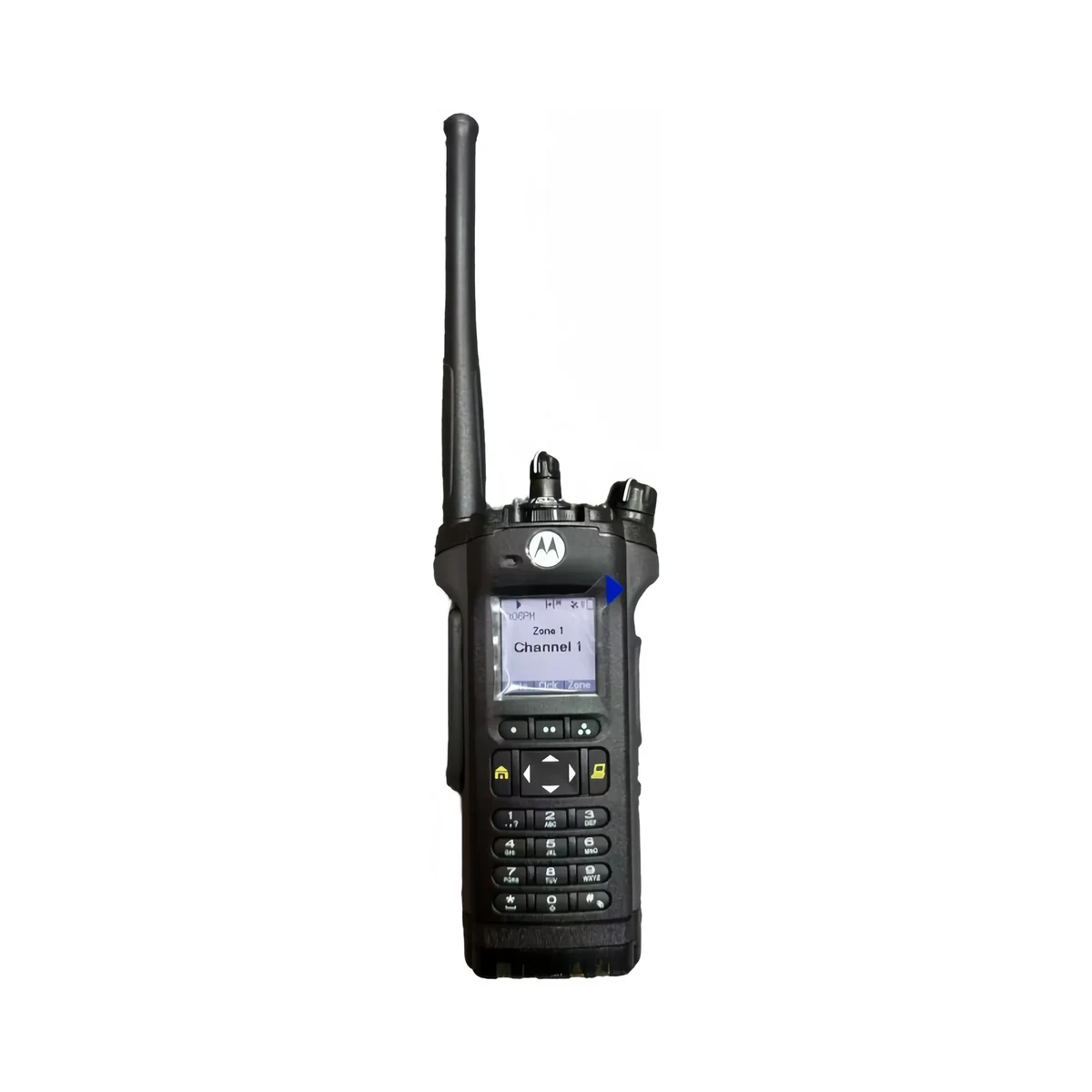
Walkie Talkie in the APX family. Bands VHF/UHF/700/800. Channel capacity 1000 / 3000. Ingress protection IP68.
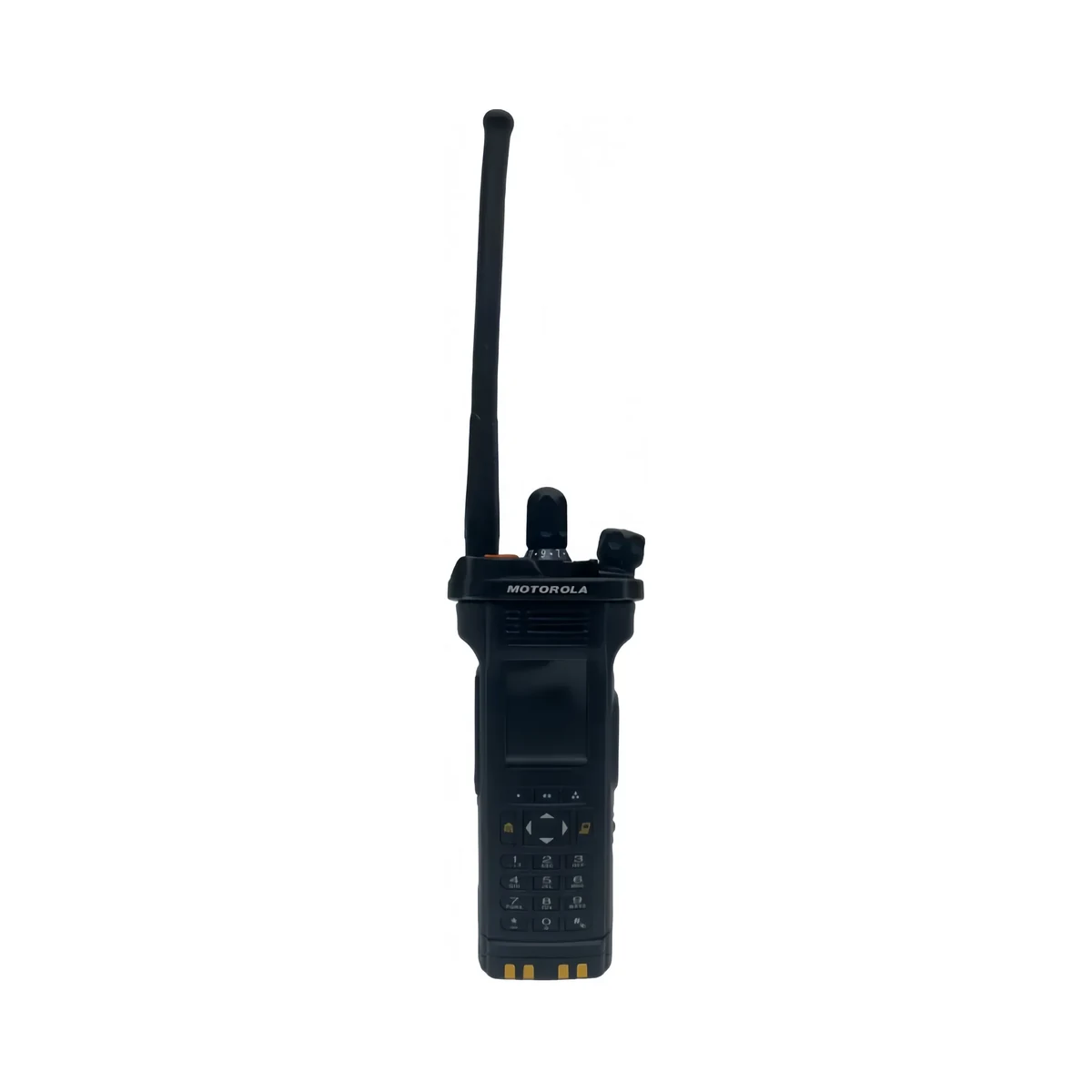
Walkie Talkie in the APX family. Bands VHF/UHF/700/800. Channel capacity 3000. Ingress protection IP67.
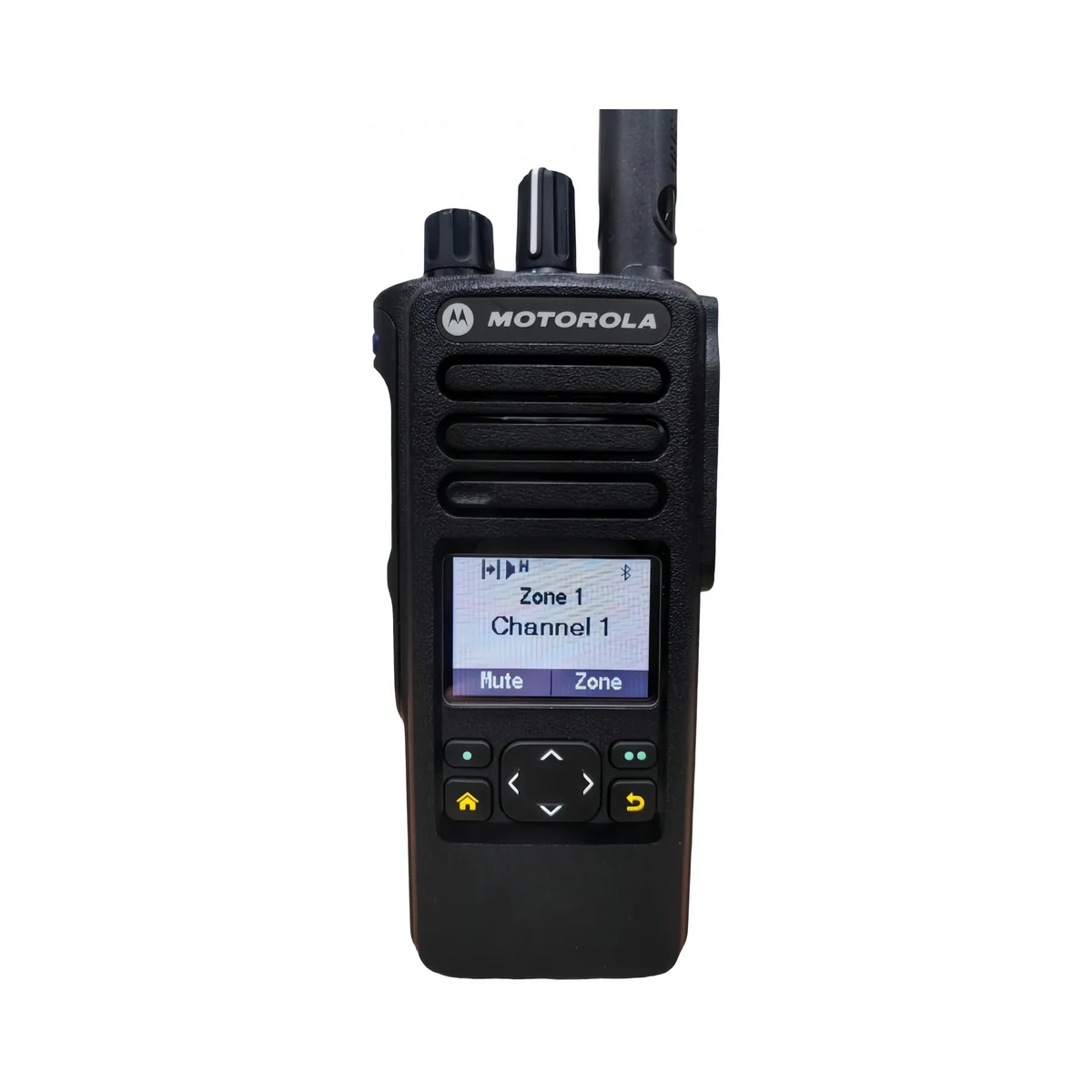
Walkie Talkie in the APX family. Bands VHF/UHF/700/800/900. Channel capacity 512. Ingress protection IP68.
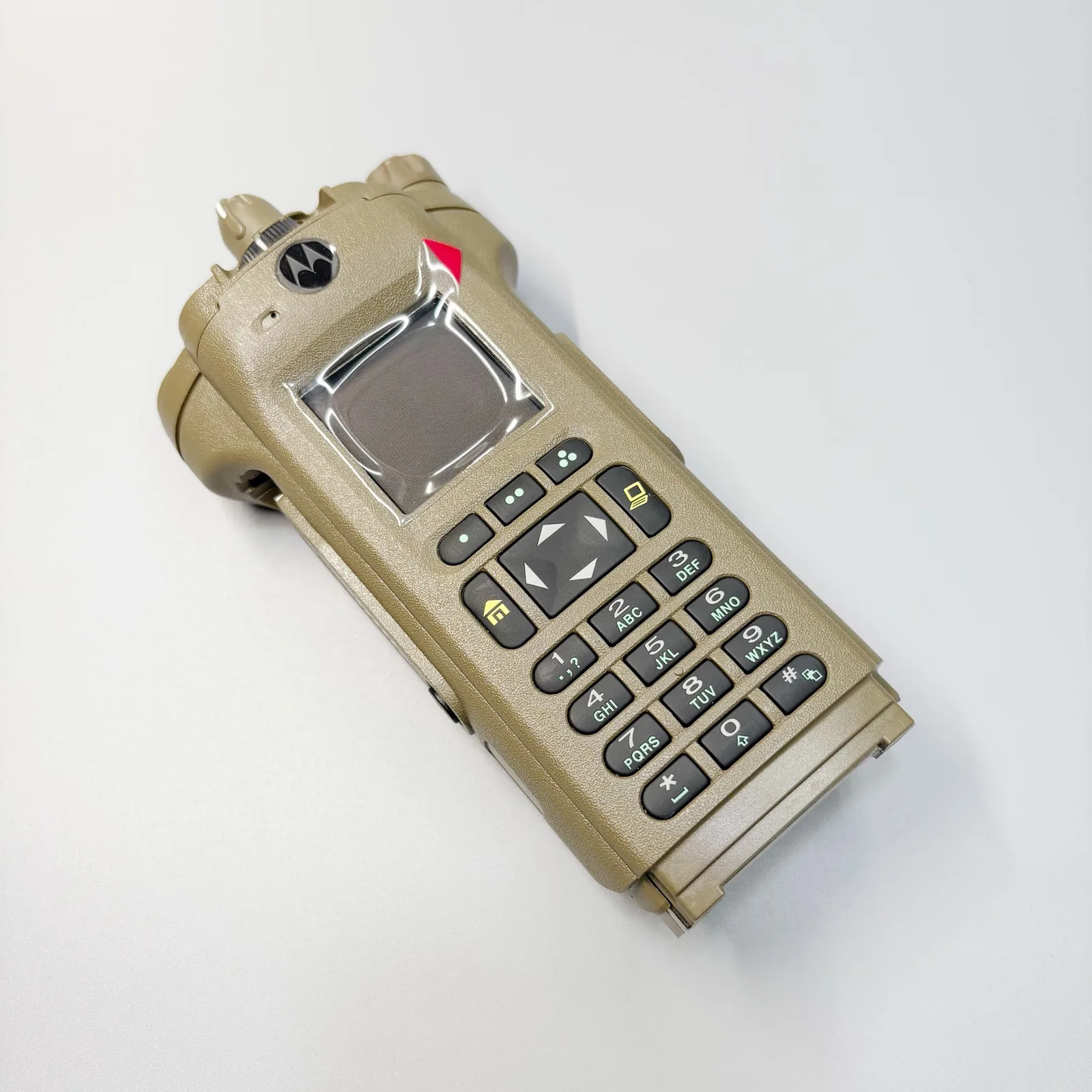
Walkie Talkie in the SRX family. Bands VHF/UHF/700/800. Channel capacity 3000. Ingress protection IP67/68.
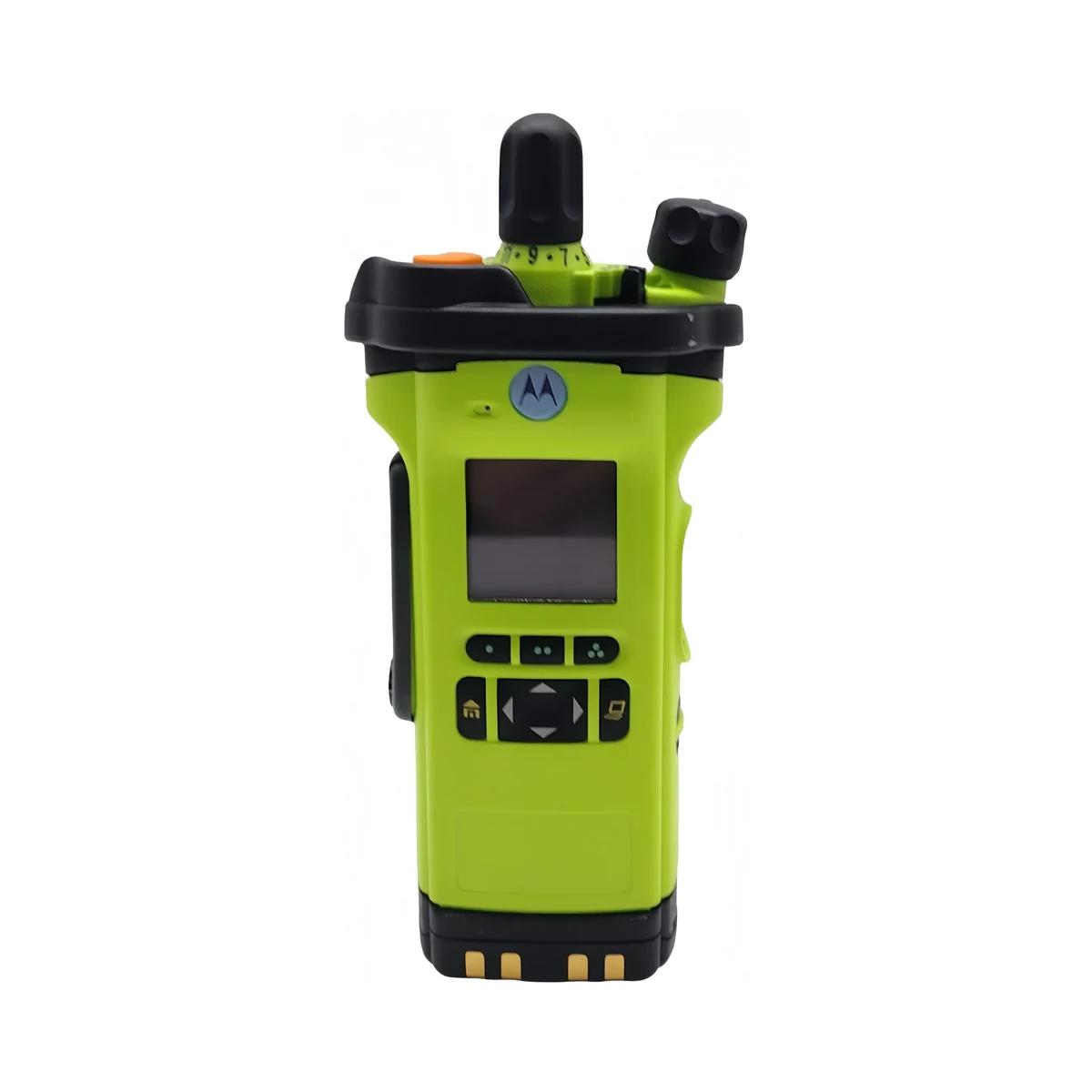
Walkie Talkie in the APX family. Bands VHF/UHF/700/800. Channel capacity 1000 / 3000. Ingress protection IP68.
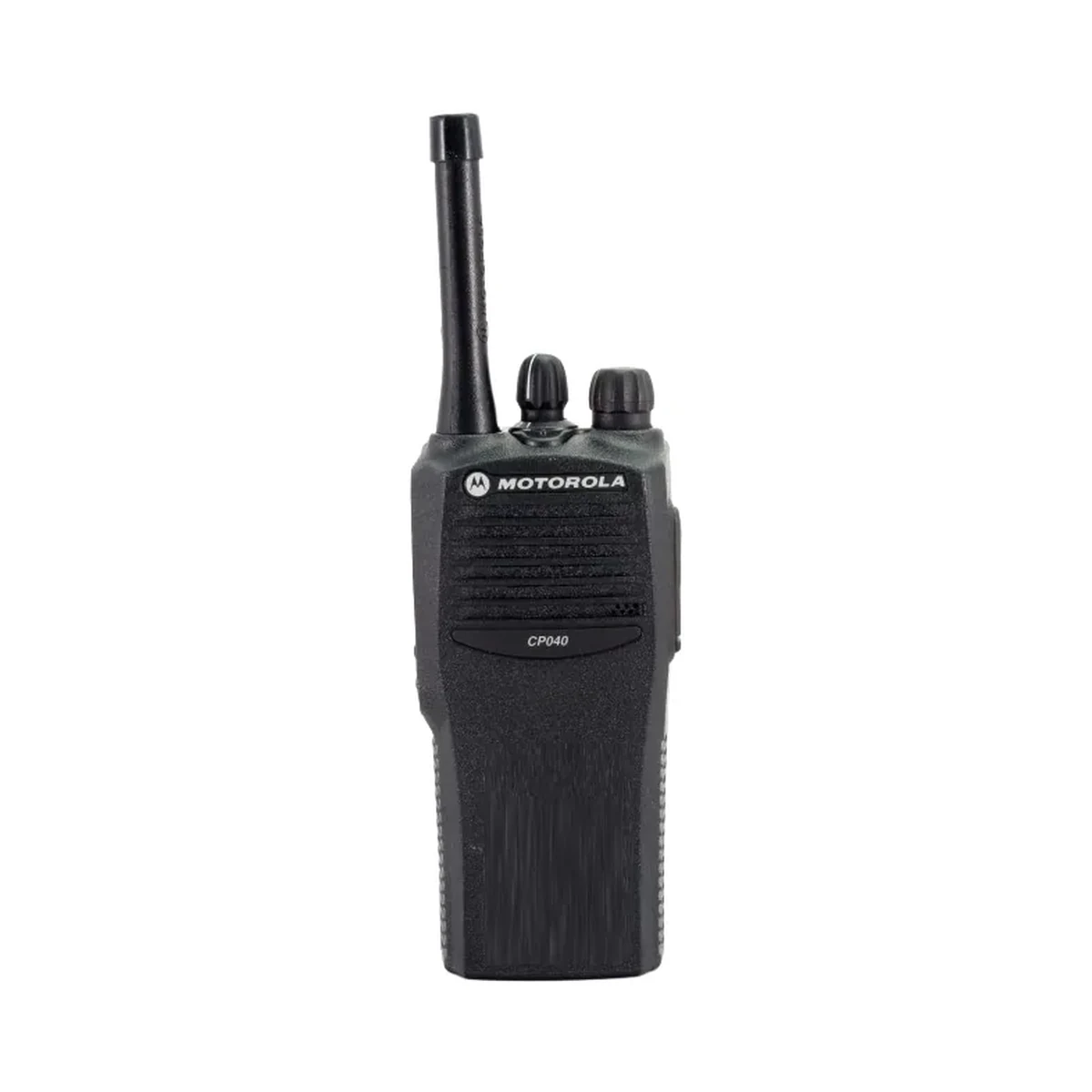
Walkie Talkie in the CP family. Bands VHF/UHF. Channel capacity 16. Ingress protection IP54.
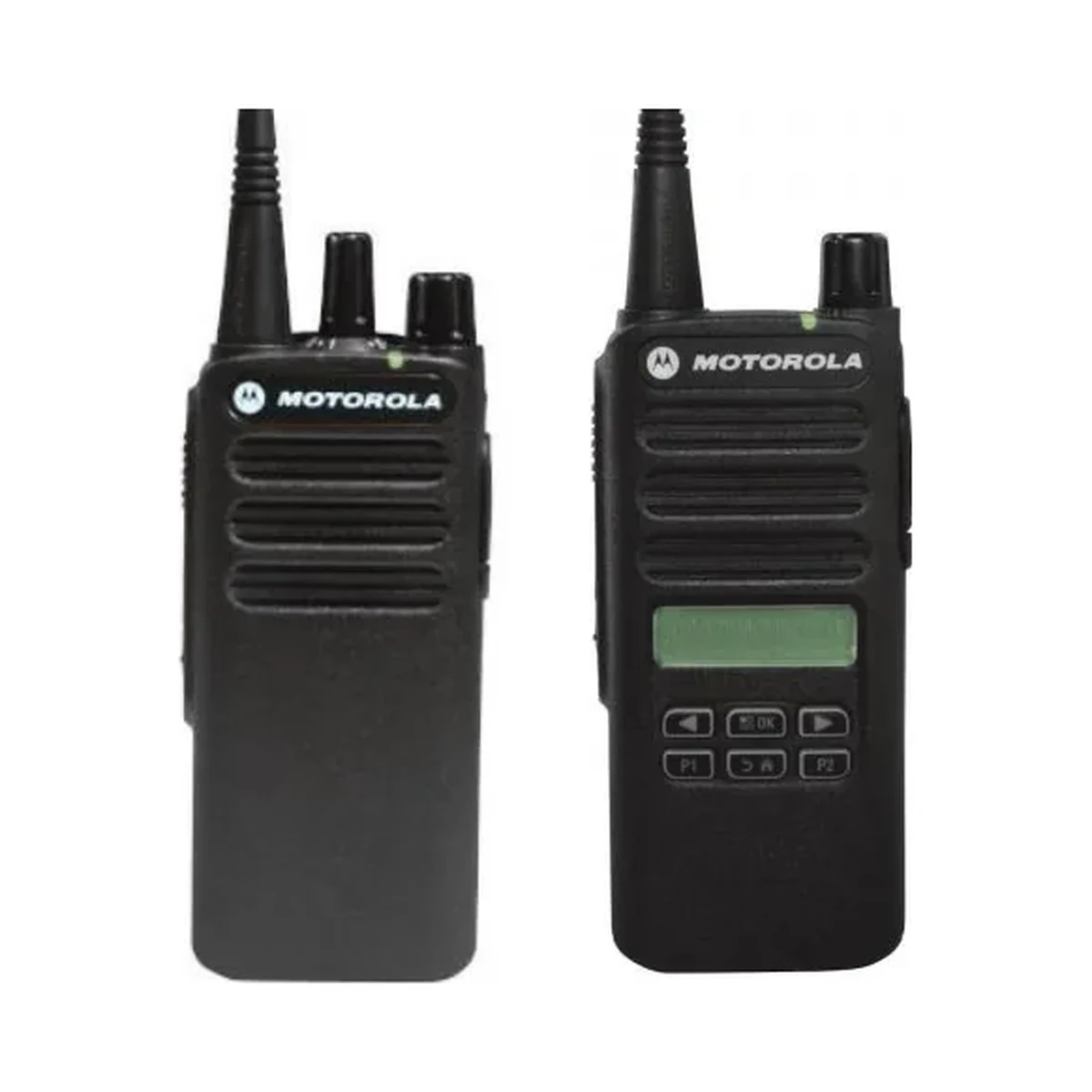
Walkie Talkie in the CP family. Bands VHF/UHF. Channel capacity 16. Ingress protection IP54.
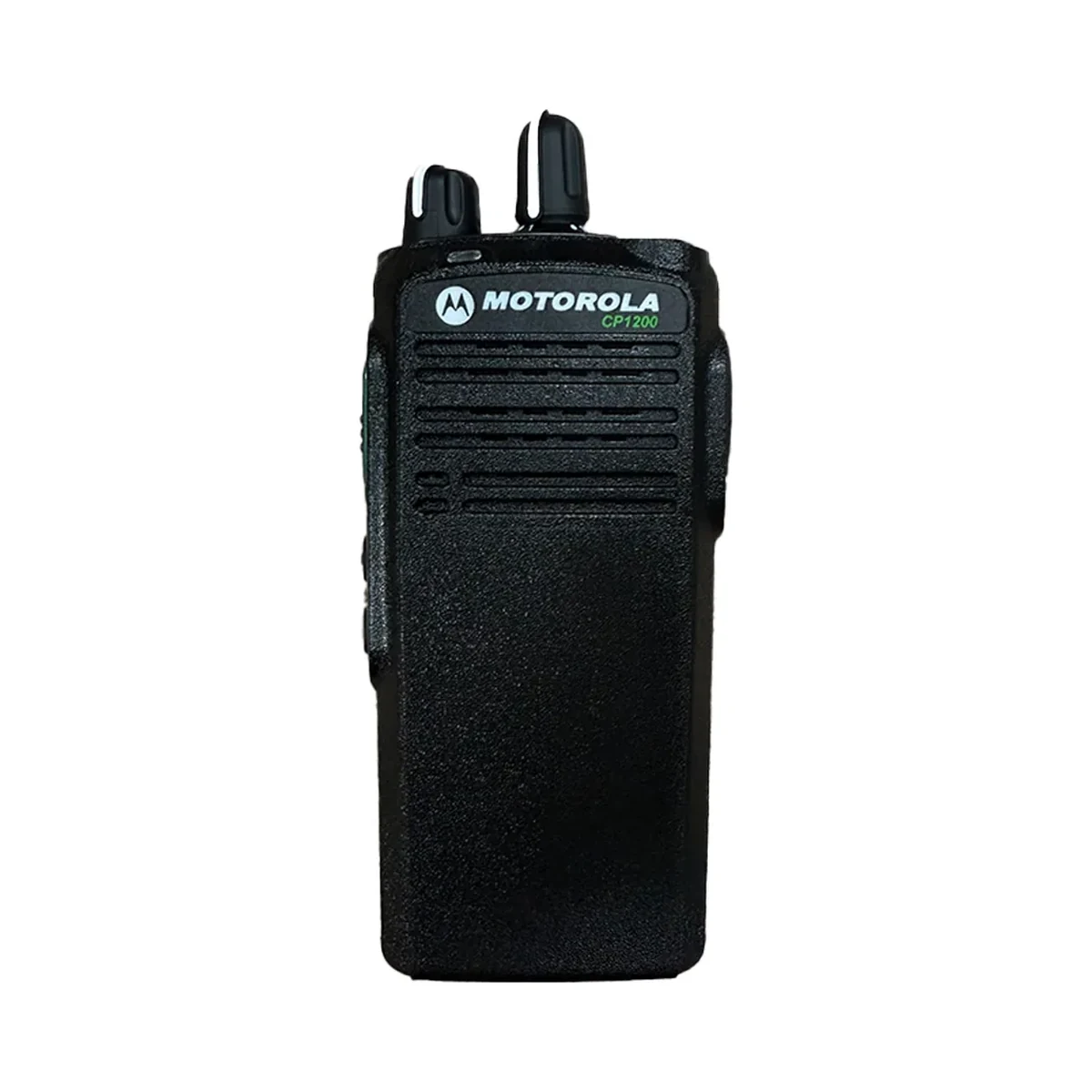
Walkie Talkie in the CP family. Bands VHF/UHF. Channel capacity not yet published. Ingress protection IP54.
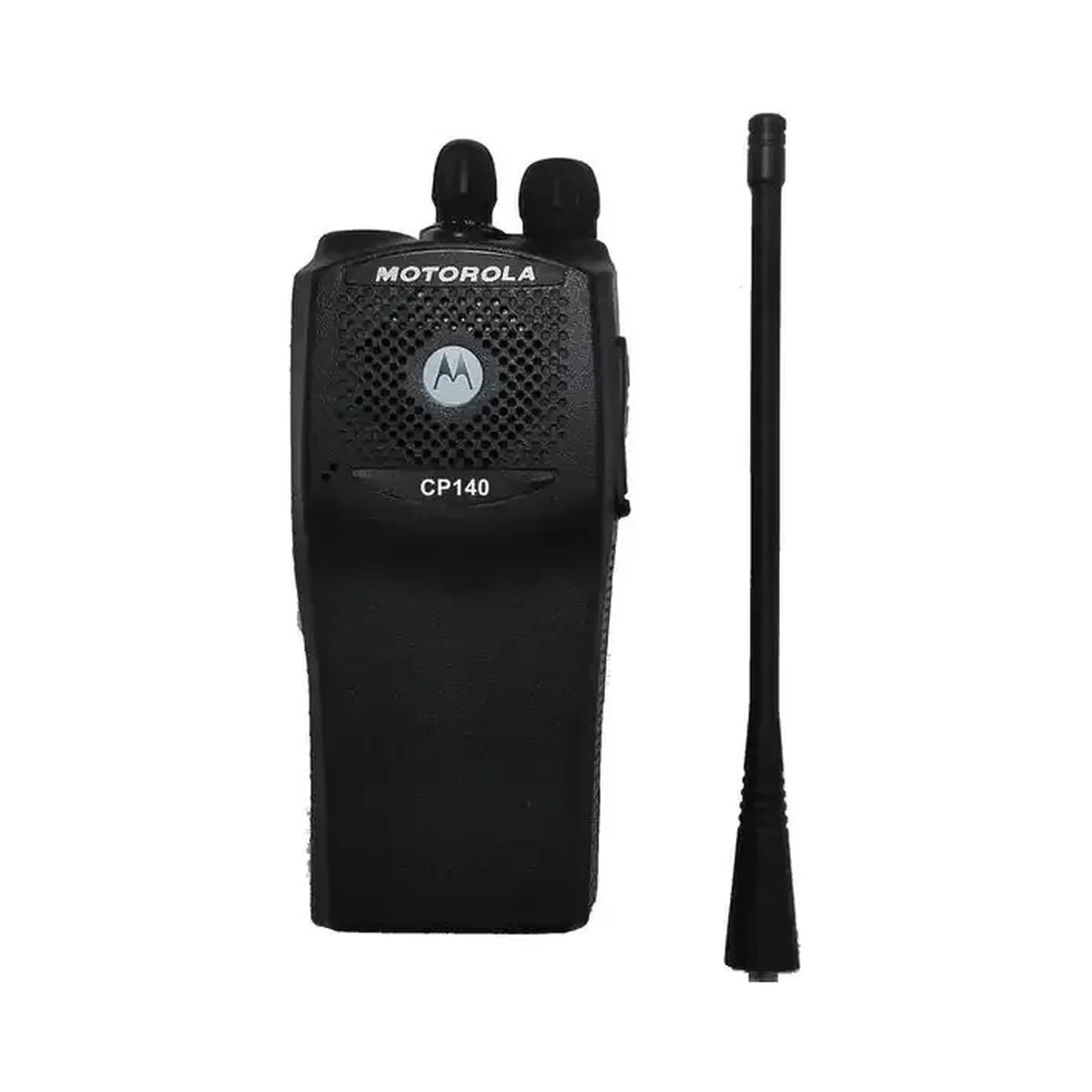
Walkie Talkie in the CP family. Bands VHF/UHF. Channel capacity 16. Ingress protection MIL-STD 810 only.
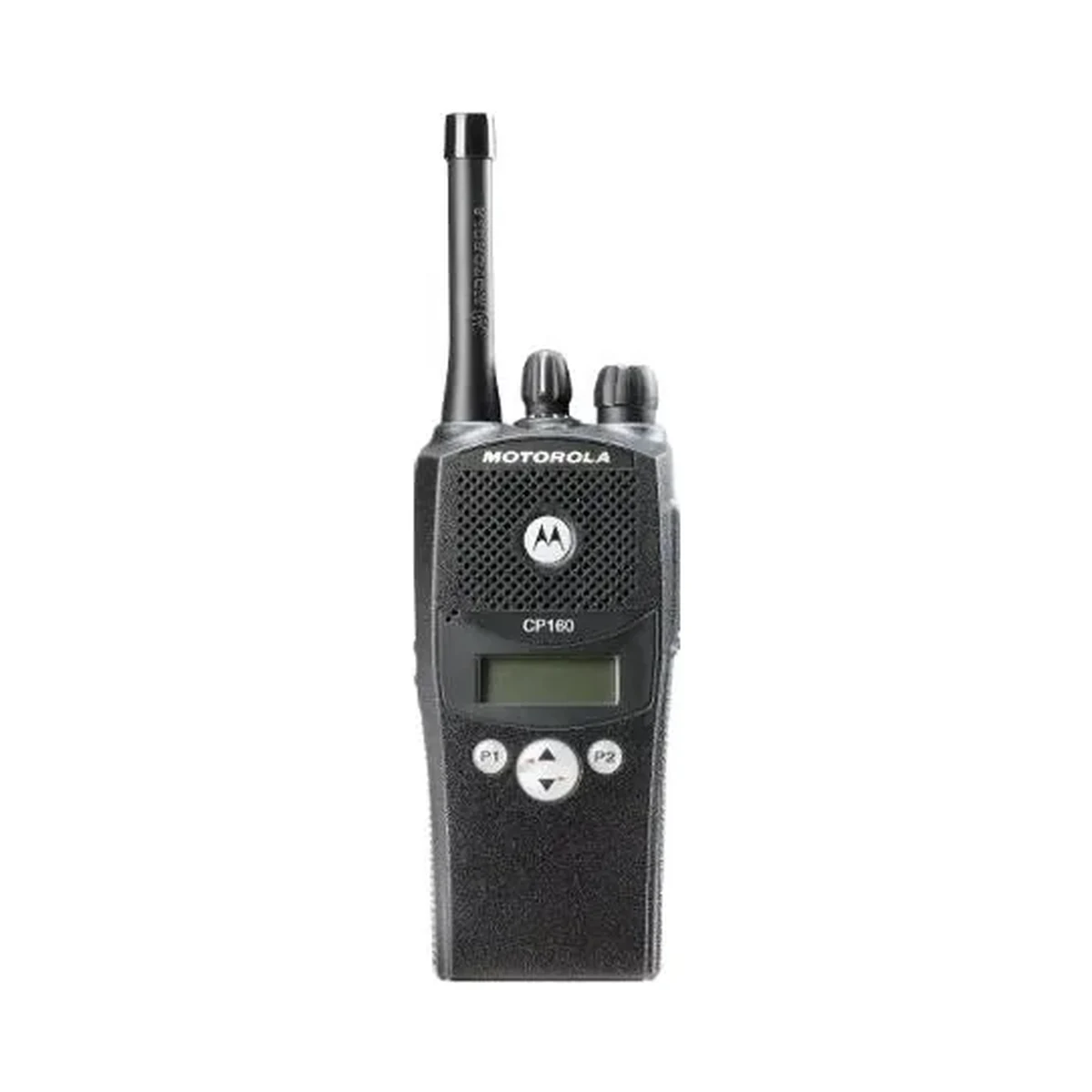
Walkie Talkie in the CP family. Bands VHF/UHF. Channel capacity 32. Ingress protection MIL-STD 810 only.
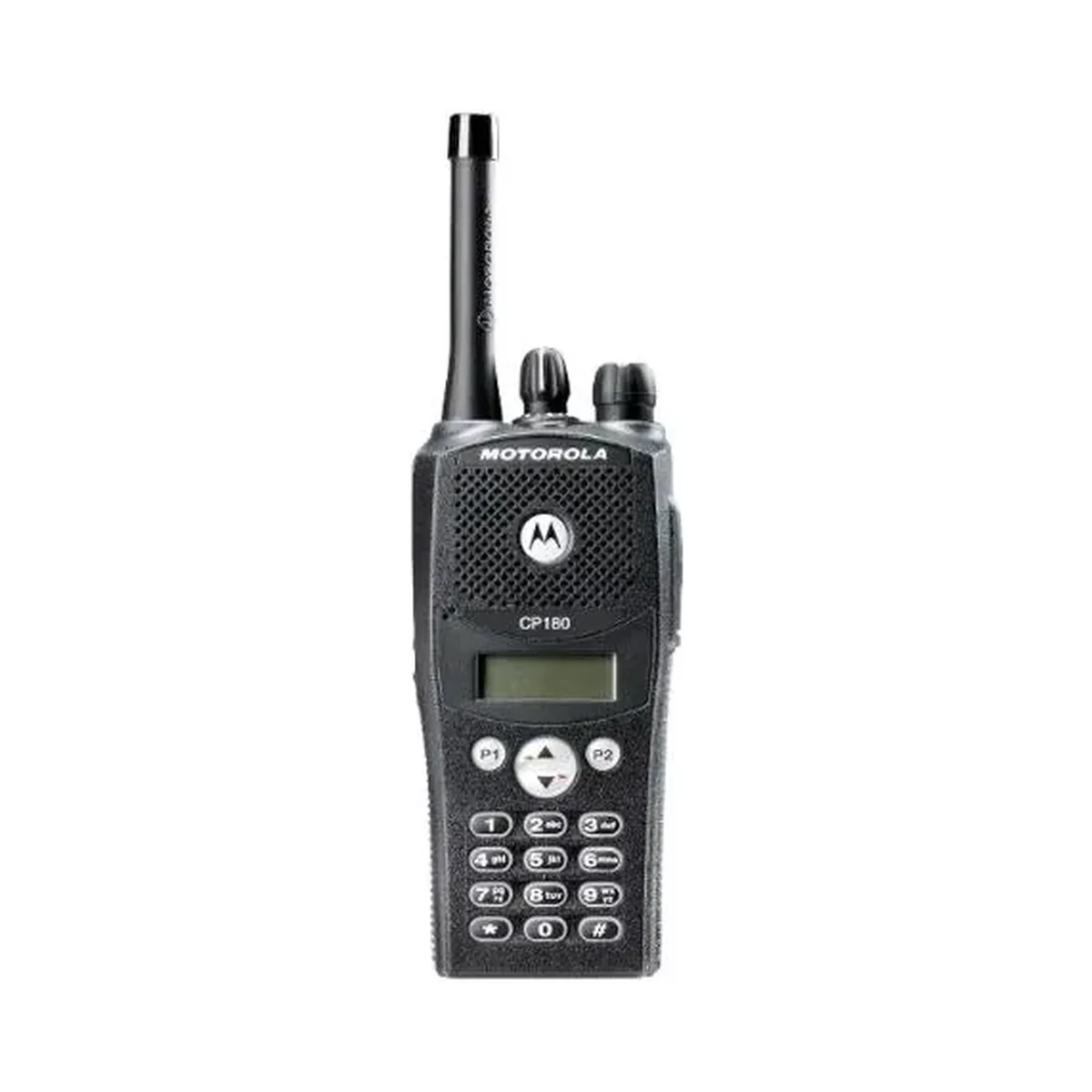
Walkie Talkie in the CP family. Bands VHF/UHF. Channel capacity 64. Ingress protection MIL-STD 810 only.
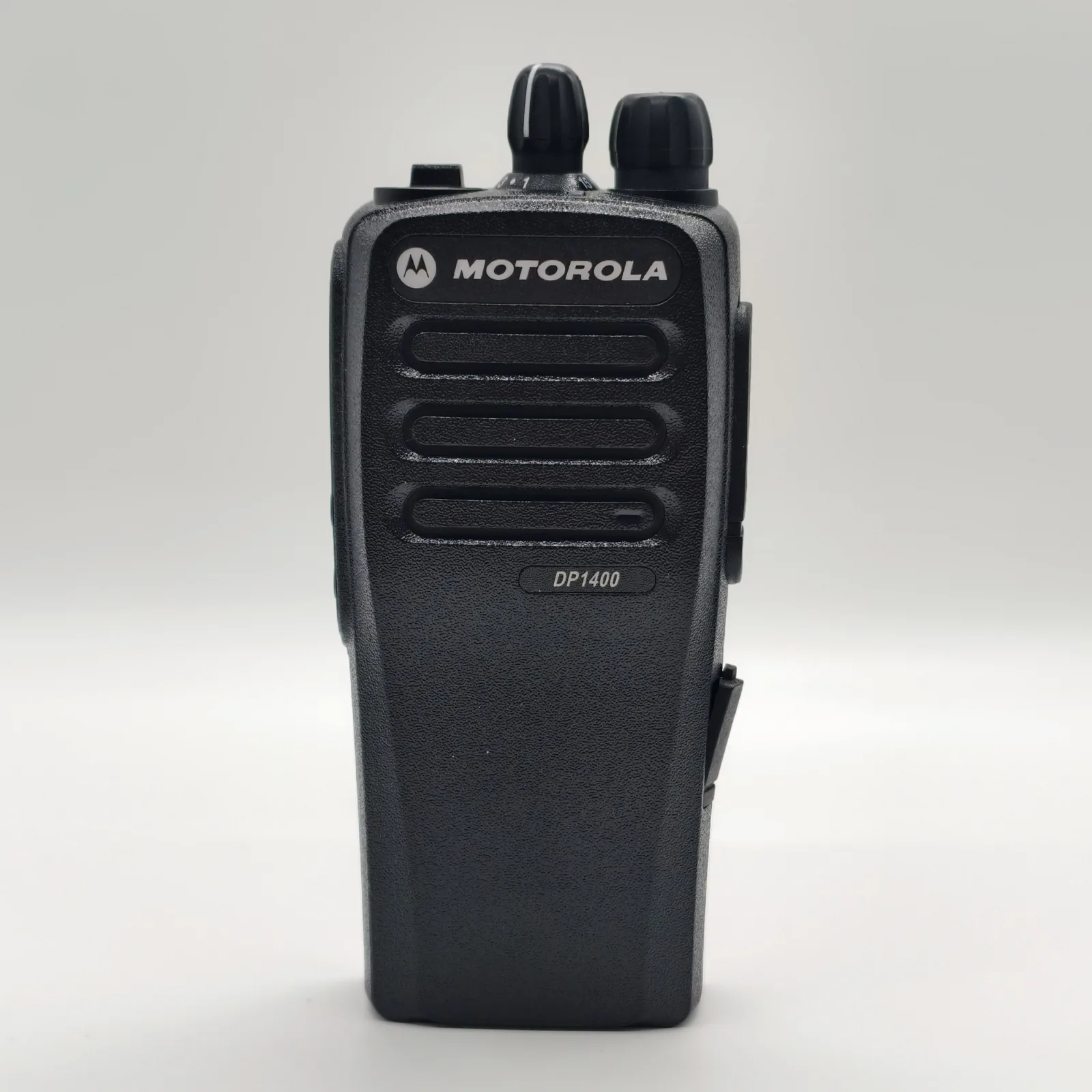
Walkie Talkie in the DP family. Bands VHF/UHF. Channel capacity 16. Ingress protection IP54.
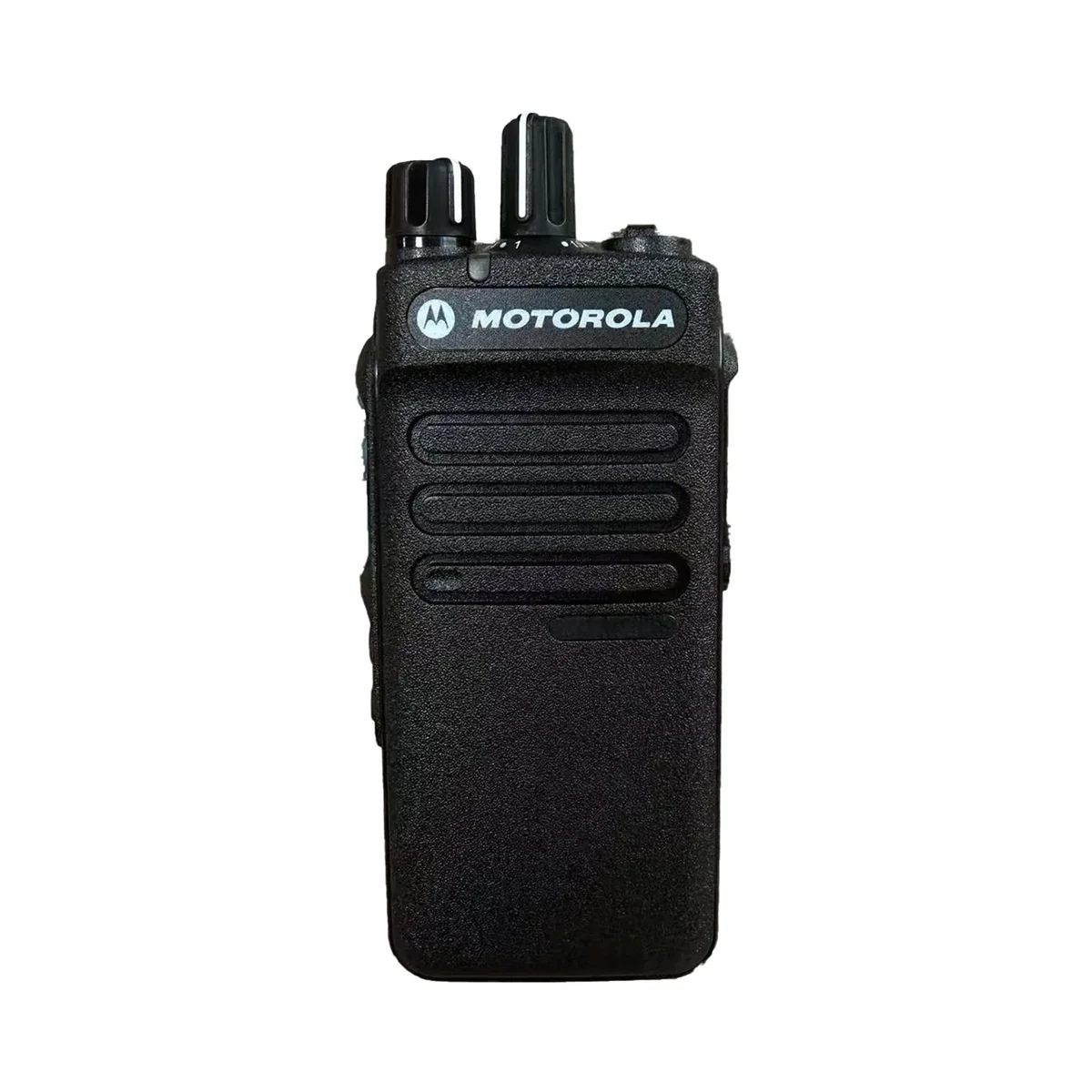
Walkie Talkie in the DP family. Bands VHF/UHF. Channel capacity 16. Ingress protection IP55.
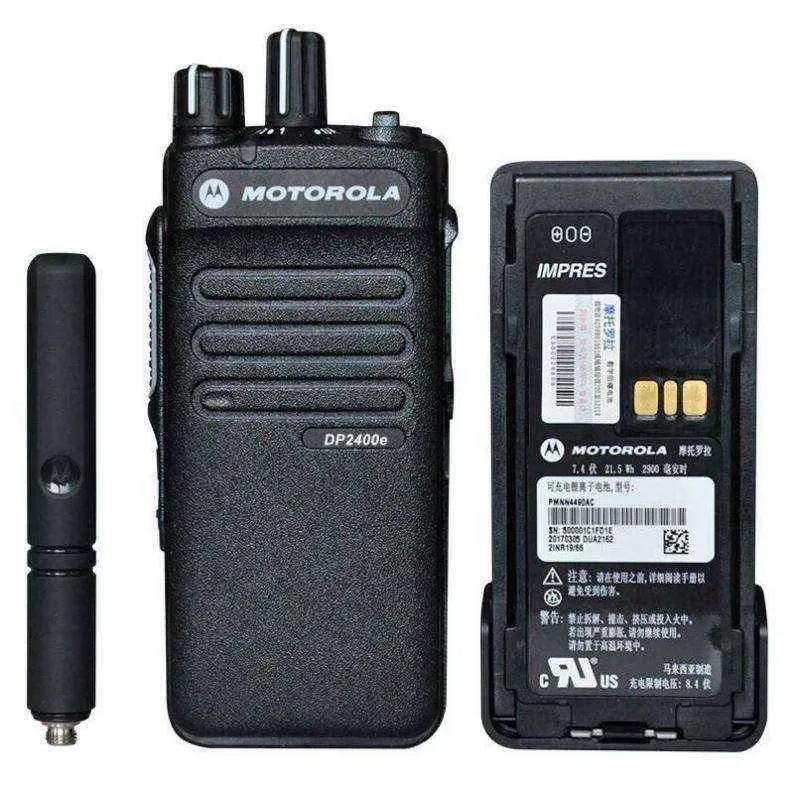
Walkie Talkie in the DP family. Bands VHF/UHF. Channel capacity 64. Ingress protection IP67.
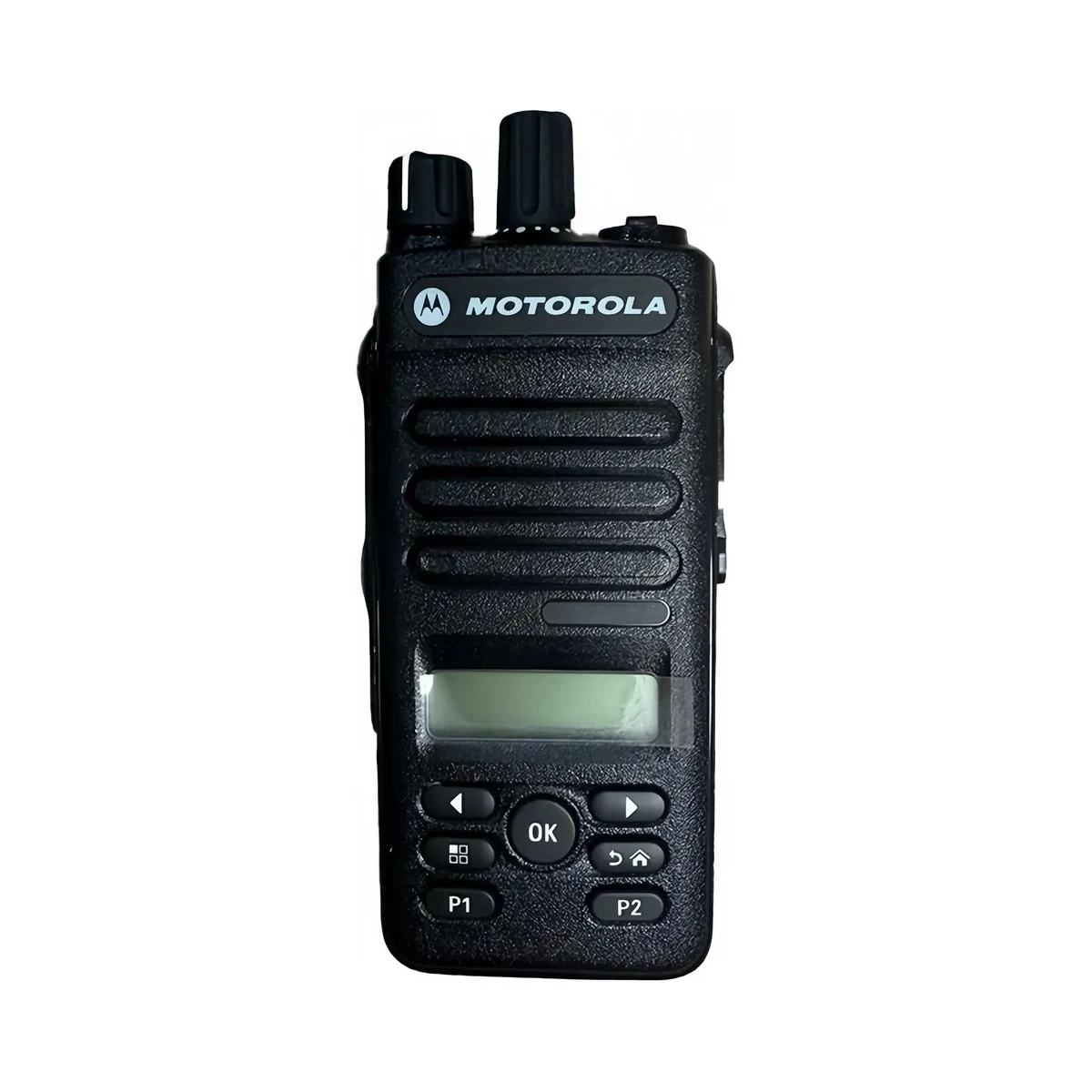
Walkie Talkie in the DP family. Bands VHF/UHF. Channel capacity 128. Ingress protection IP55.
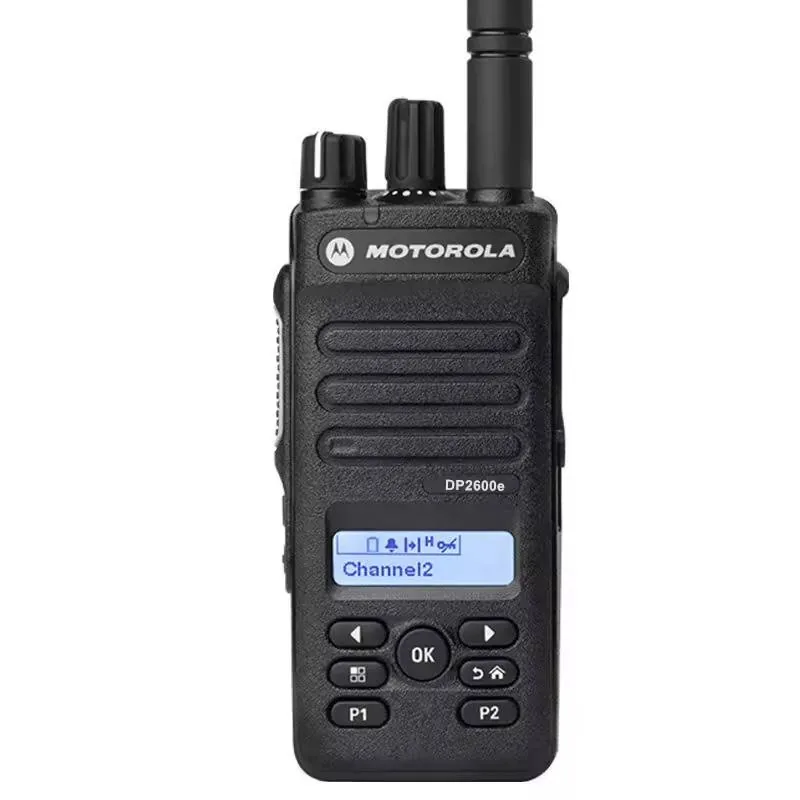
Walkie Talkie in the DP family. Bands VHF/UHF. Channel capacity 128. Ingress protection IP67.
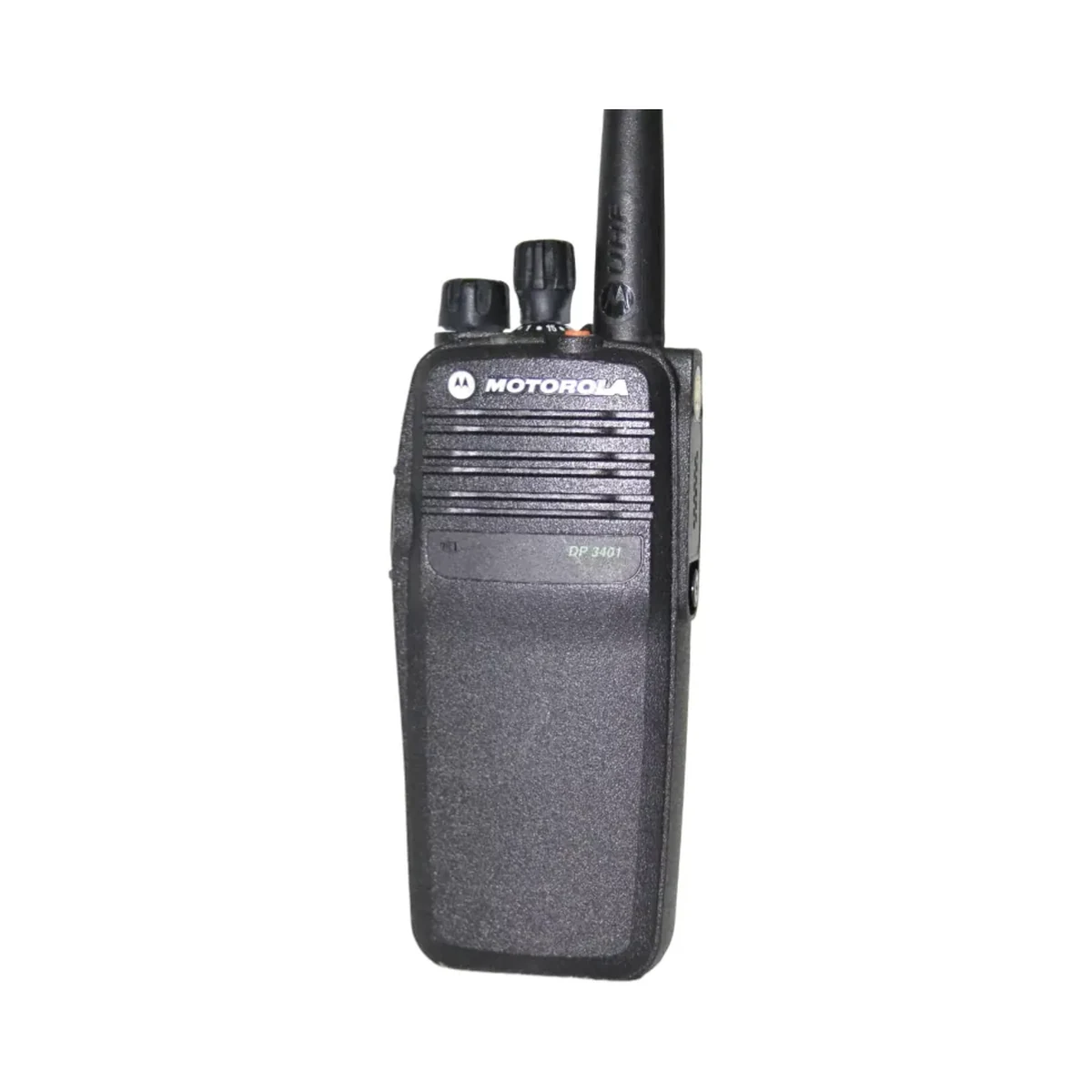
Walkie Talkie in the DP family. Bands VHF/UHF. Channel capacity 32. Ingress protection IP57.
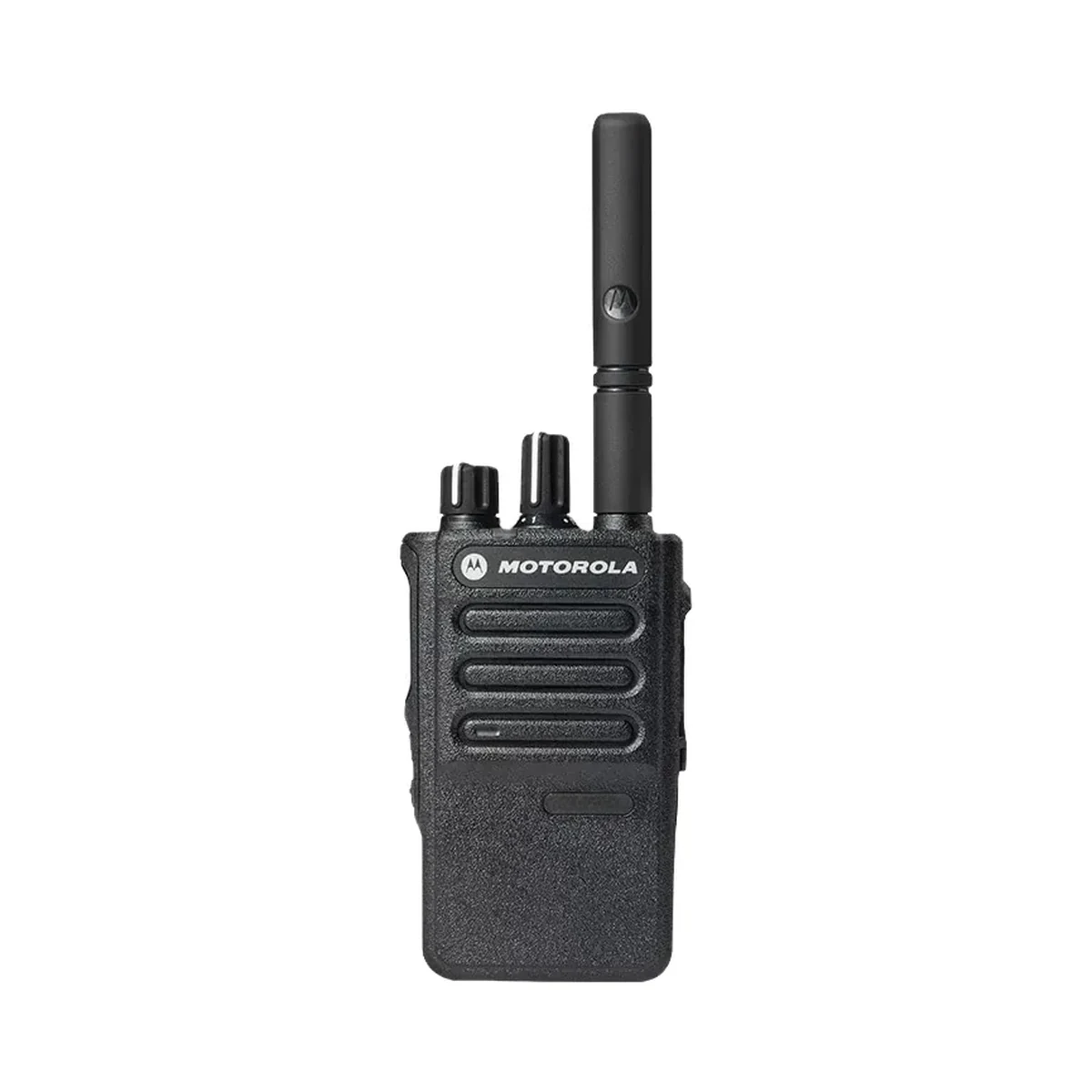
Walkie Talkie in the DP family. Bands VHF/UHF. Channel capacity 64. Ingress protection IP67.
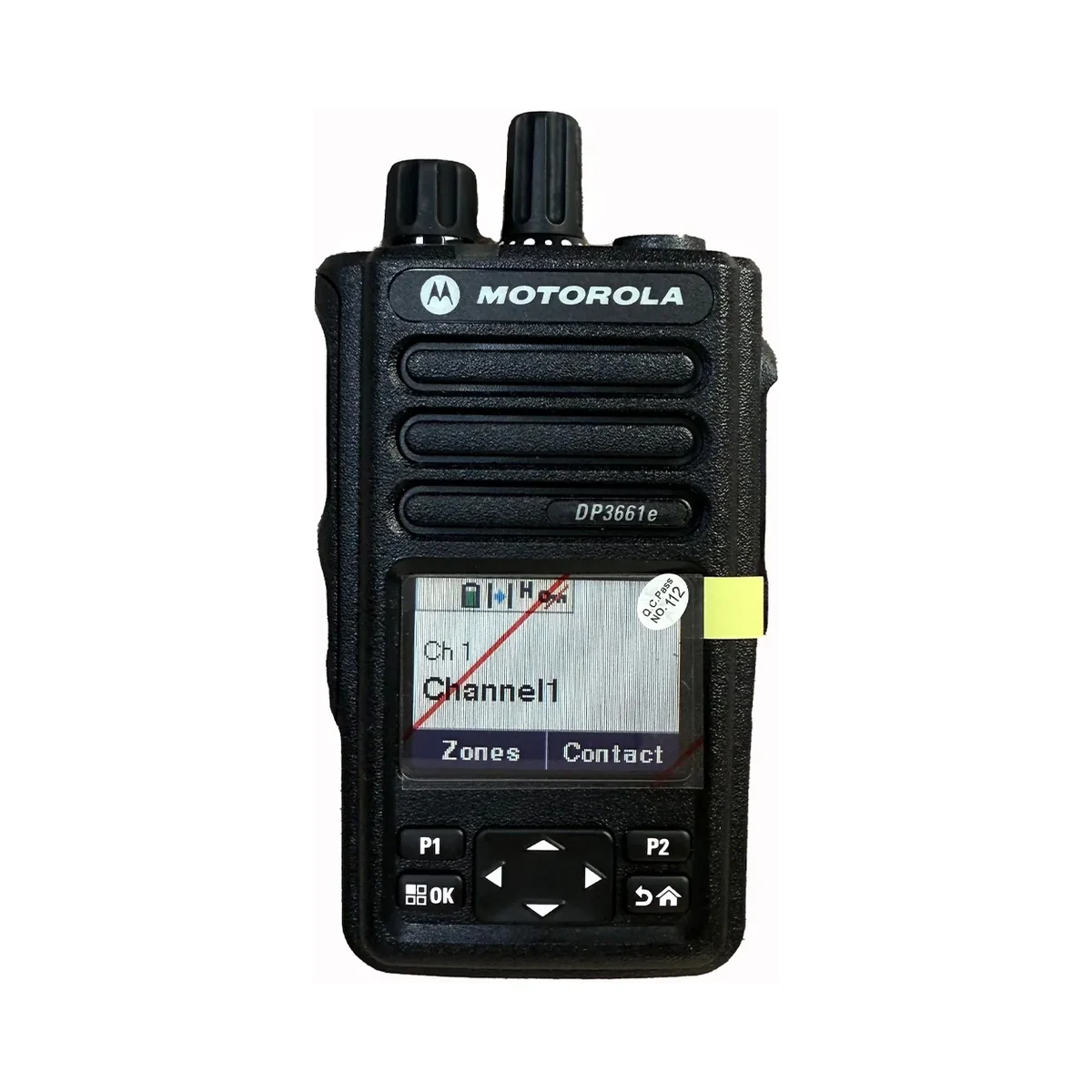
Walkie Talkie in the DP family. Bands VHF/UHF. Channel capacity 1000. Ingress protection IP67.
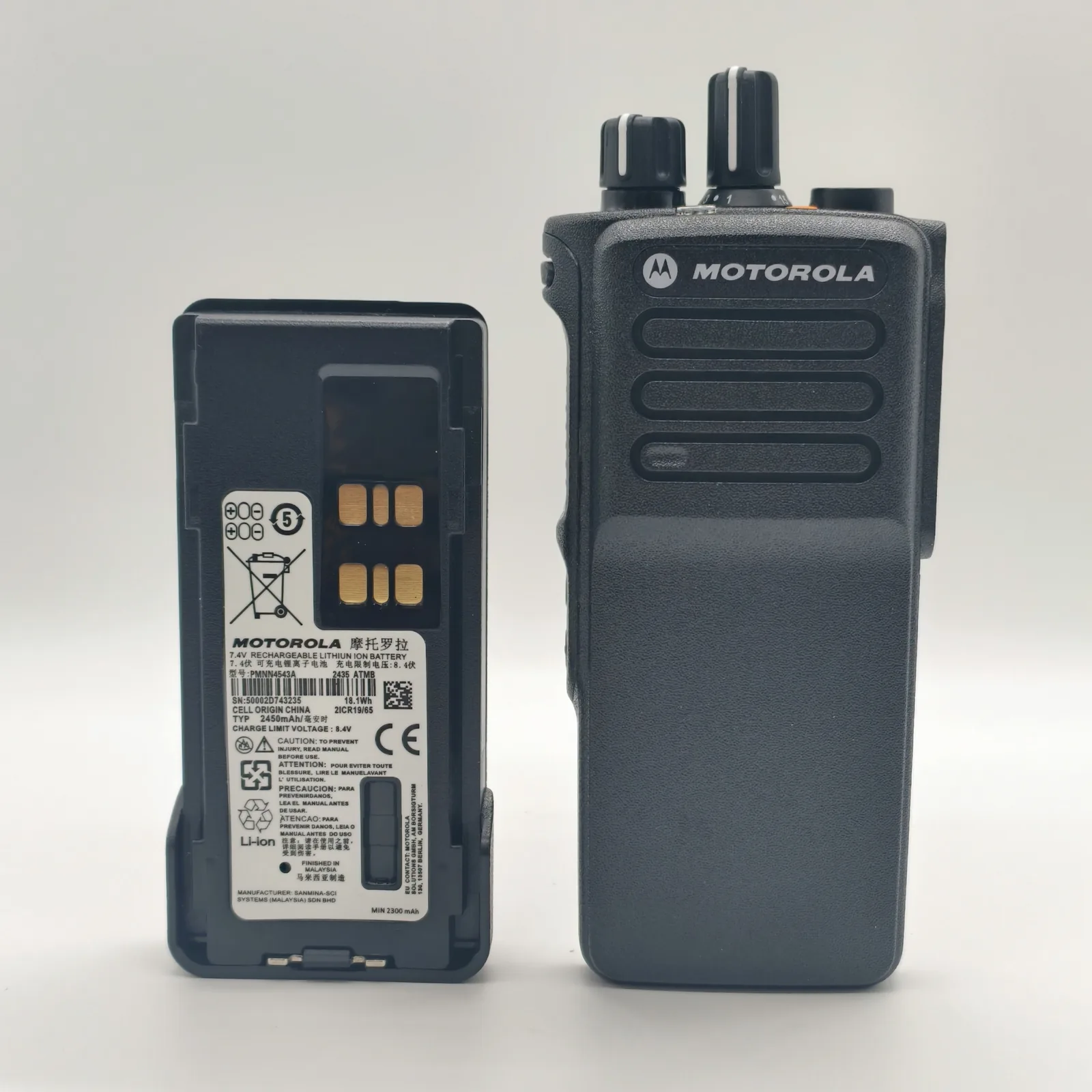
Walkie Talkie in the DP family. Bands VHF/UHF/800. Channel capacity 64. Ingress protection IP68.
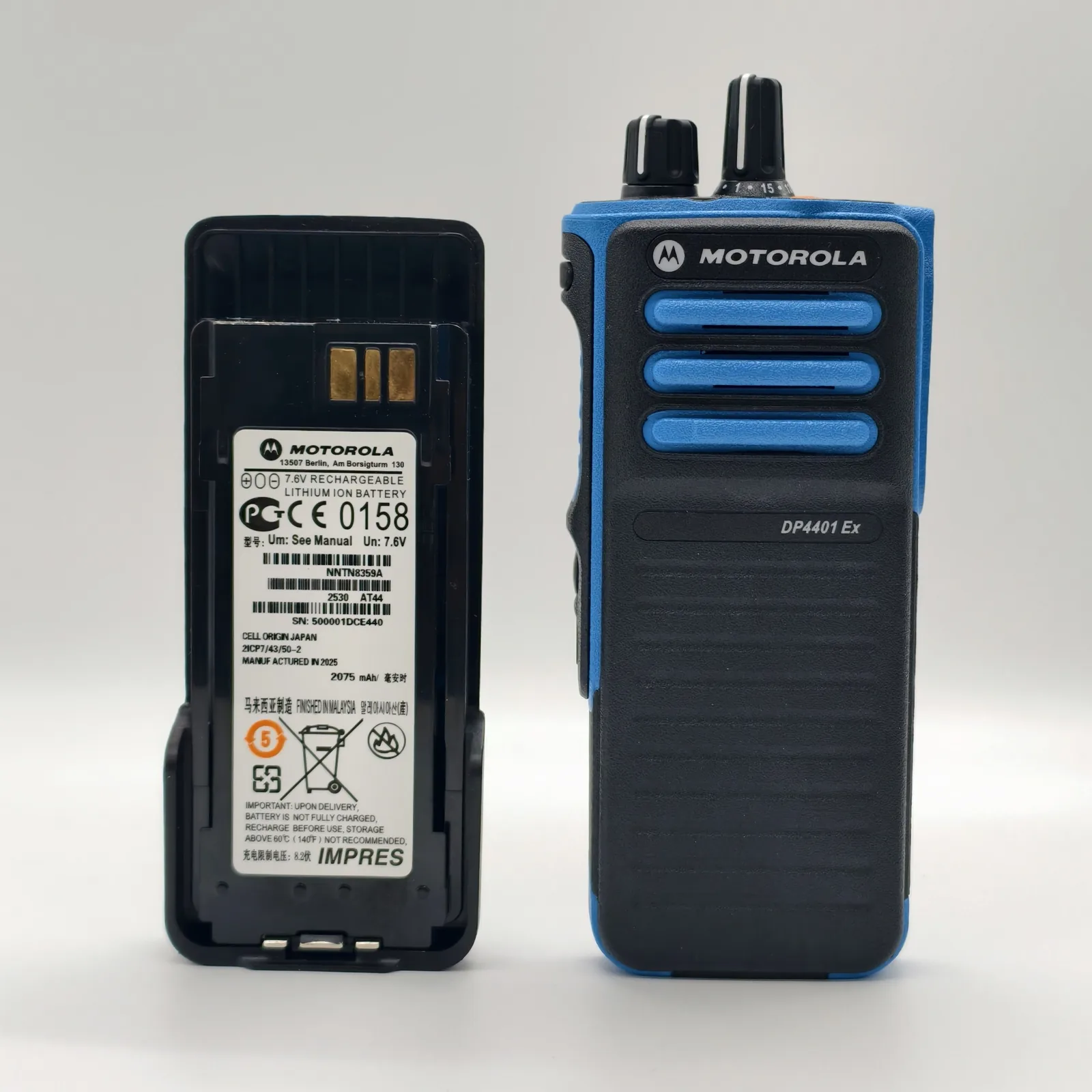
Walkie Talkie in the DP family. Bands VHF/UHF. Channel capacity 32. Ingress protection IP67.
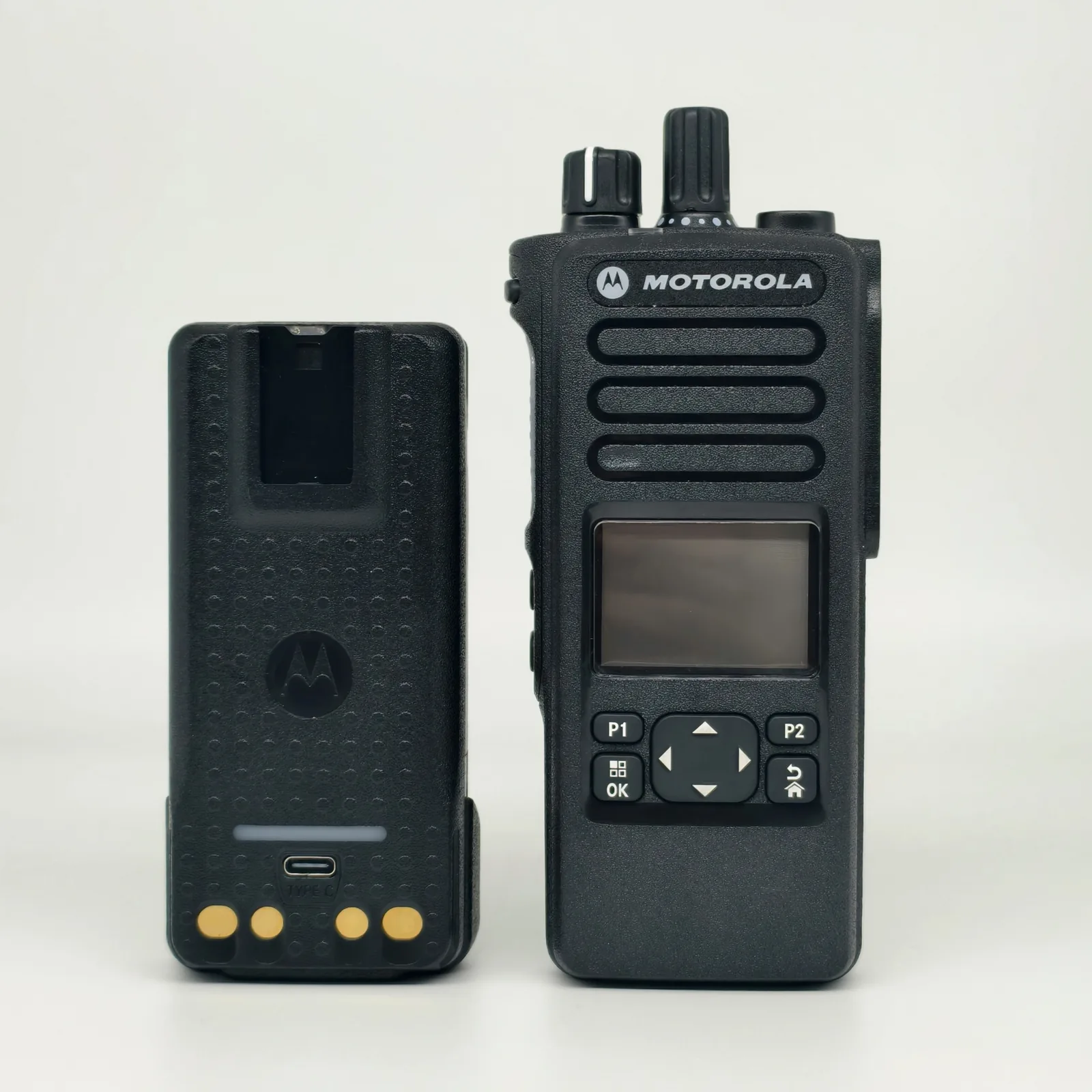
Walkie Talkie in the DP family. Bands VHF/UHF. Channel capacity 1000. Ingress protection IP68.
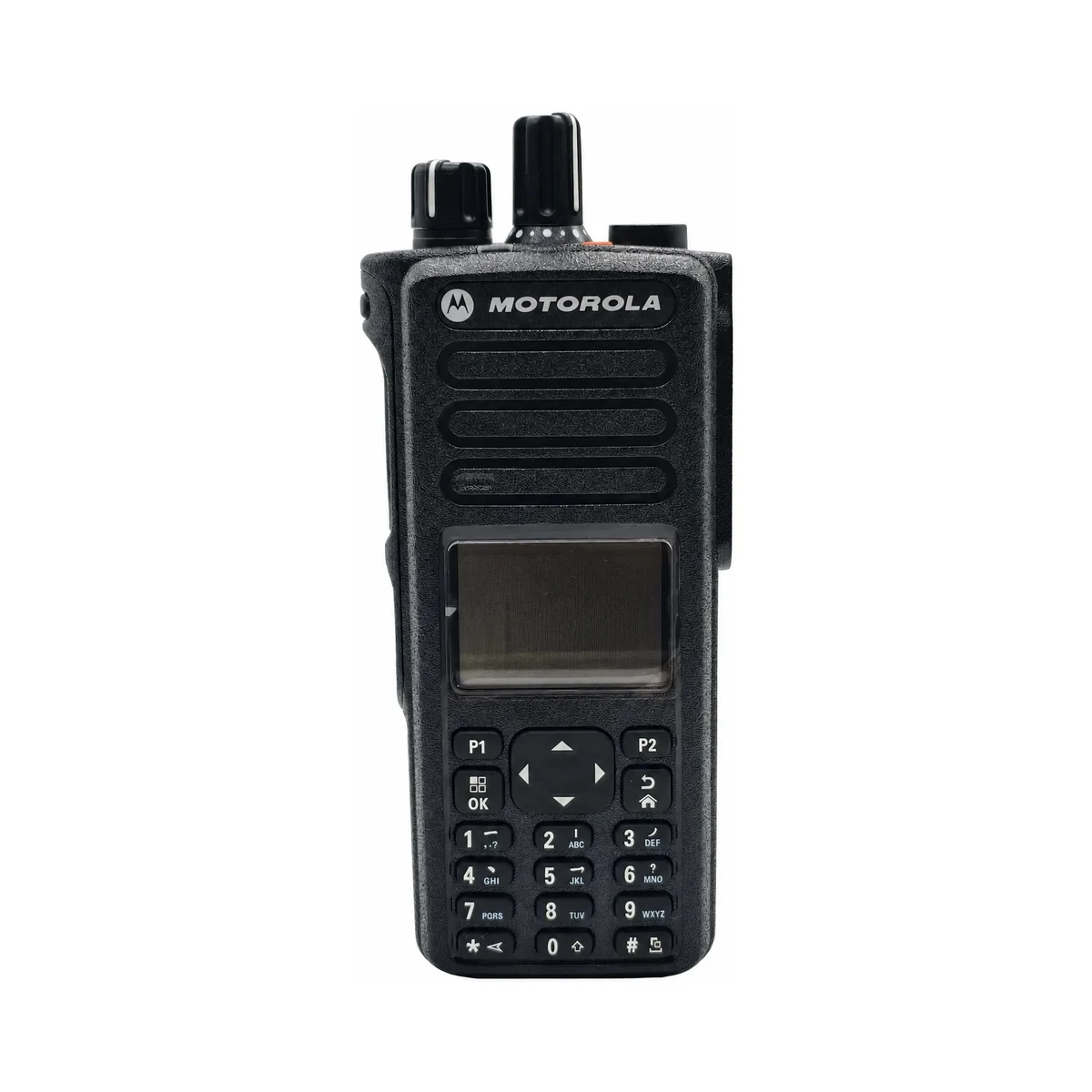
Walkie Talkie in the DP family. Bands VHF/UHF. Channel capacity 1000. Ingress protection IP57.
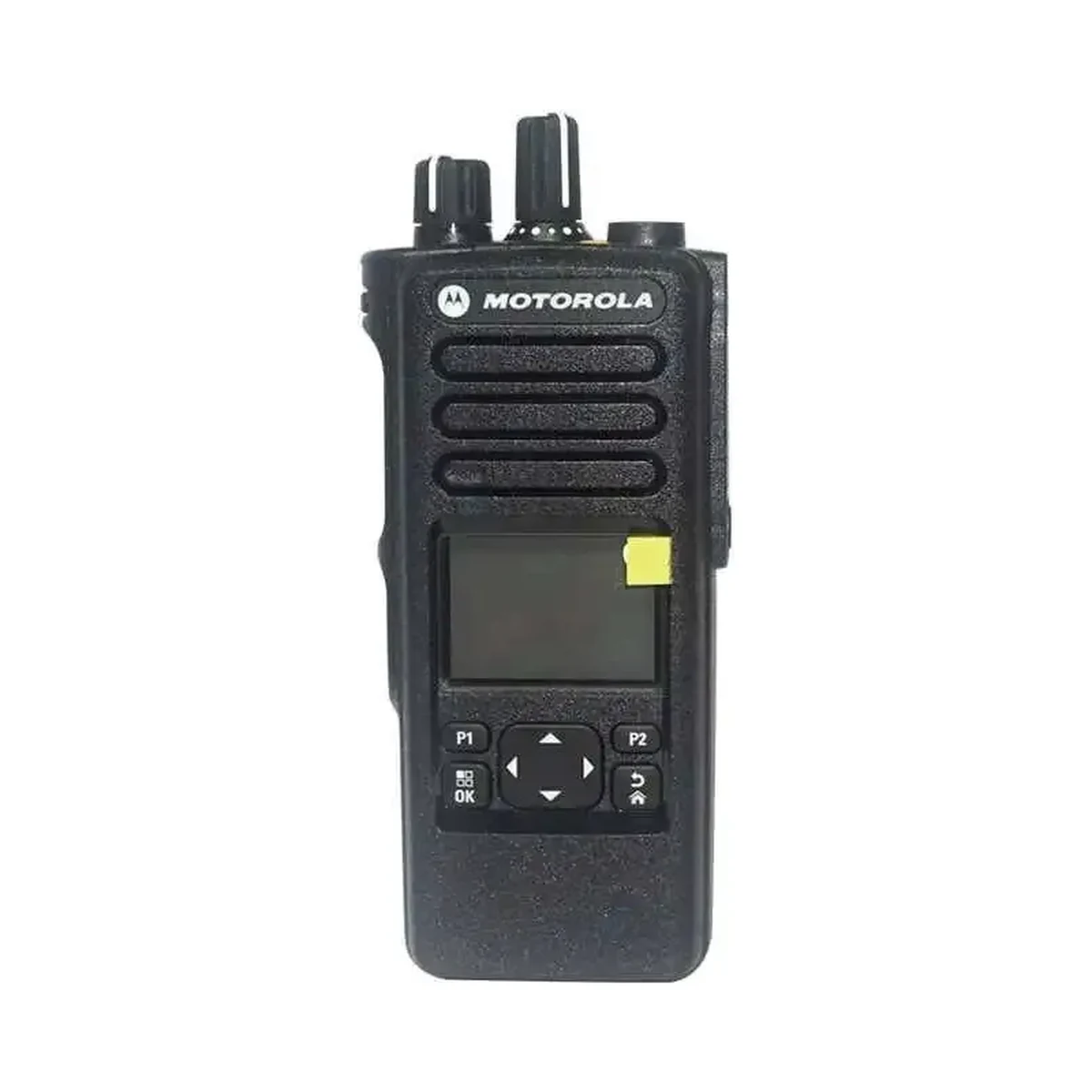
Walkie Talkie in the DP family. Bands VHF/UHF. Channel capacity 1000. Ingress protection IP68.
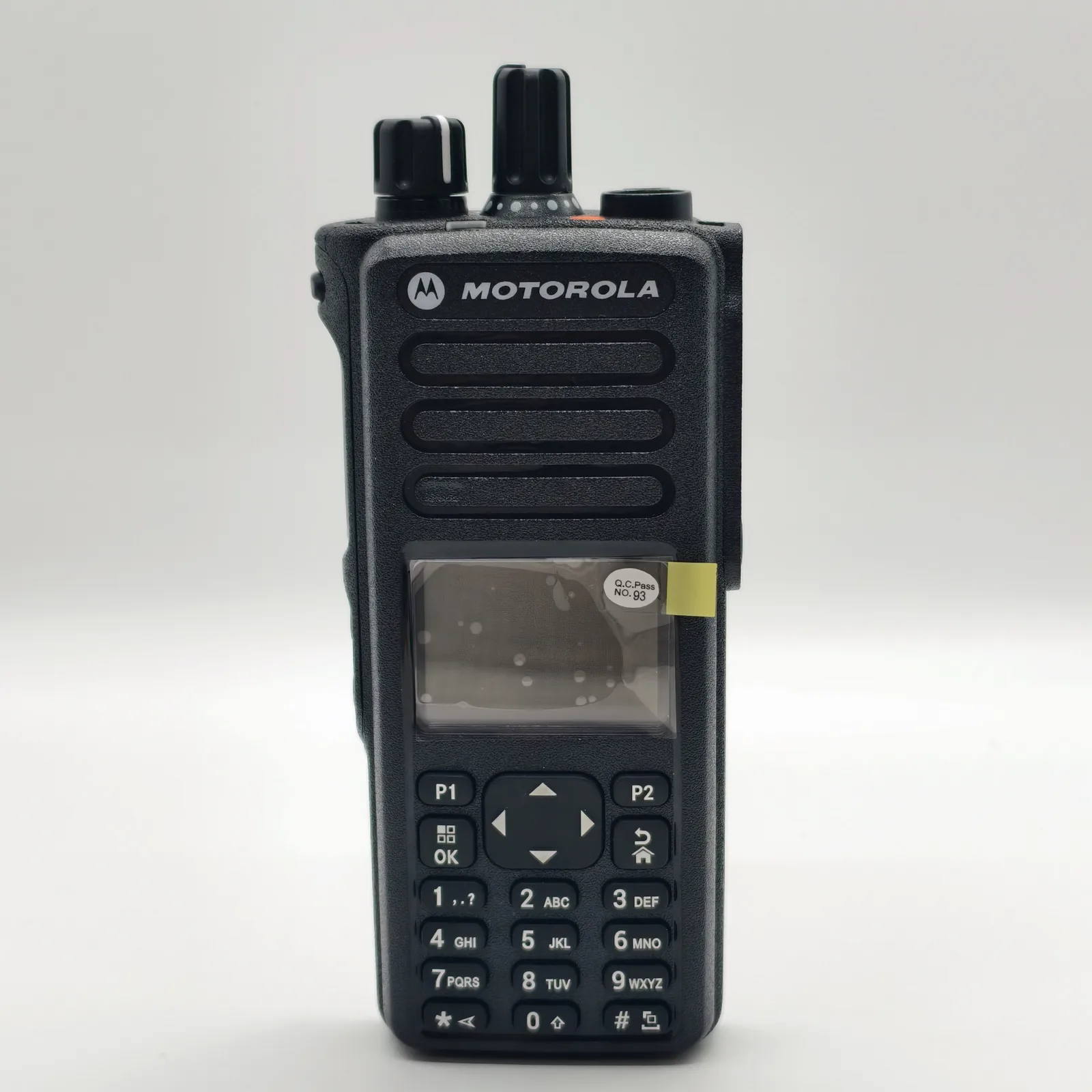
Walkie Talkie in the DP family. Bands VHF/UHF/800. Channel capacity 1000. Ingress protection IP68.
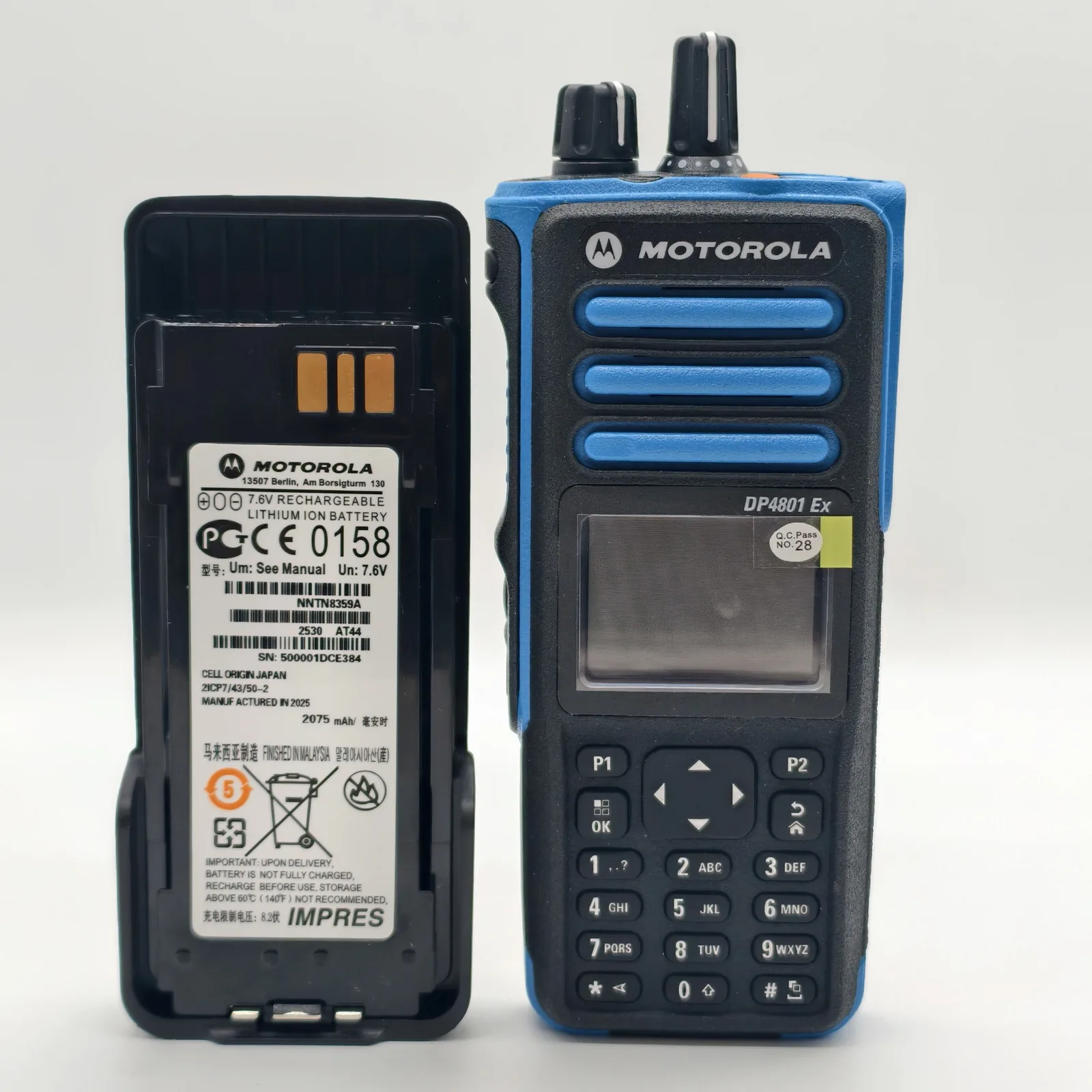
Walkie Talkie in the DP family. Bands VHF/UHF. Channel capacity 1000. Ingress protection IP67.
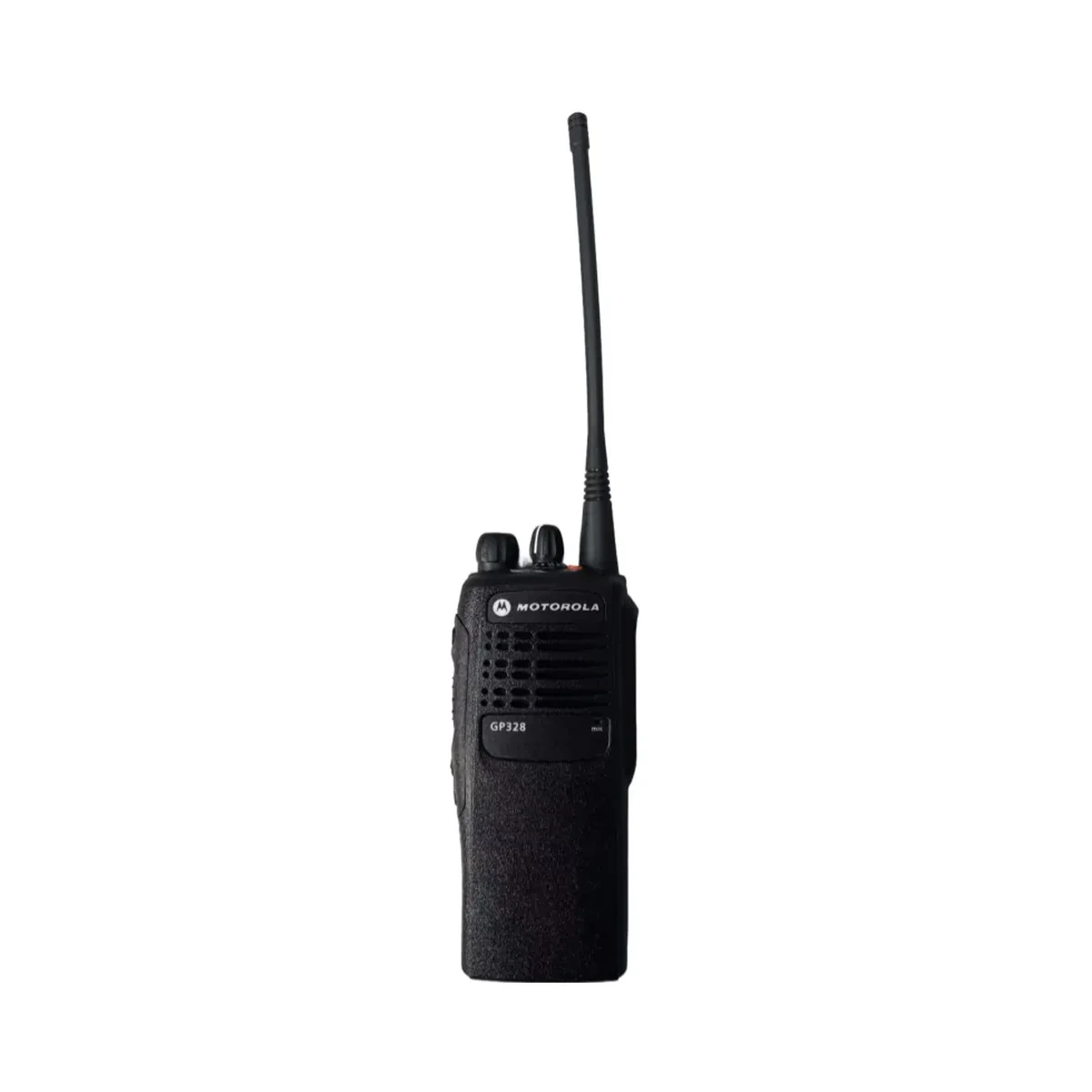
Walkie Talkie in the GP family. Bands VHF/UHF. Channel capacity 16. Ingress protection IP54.
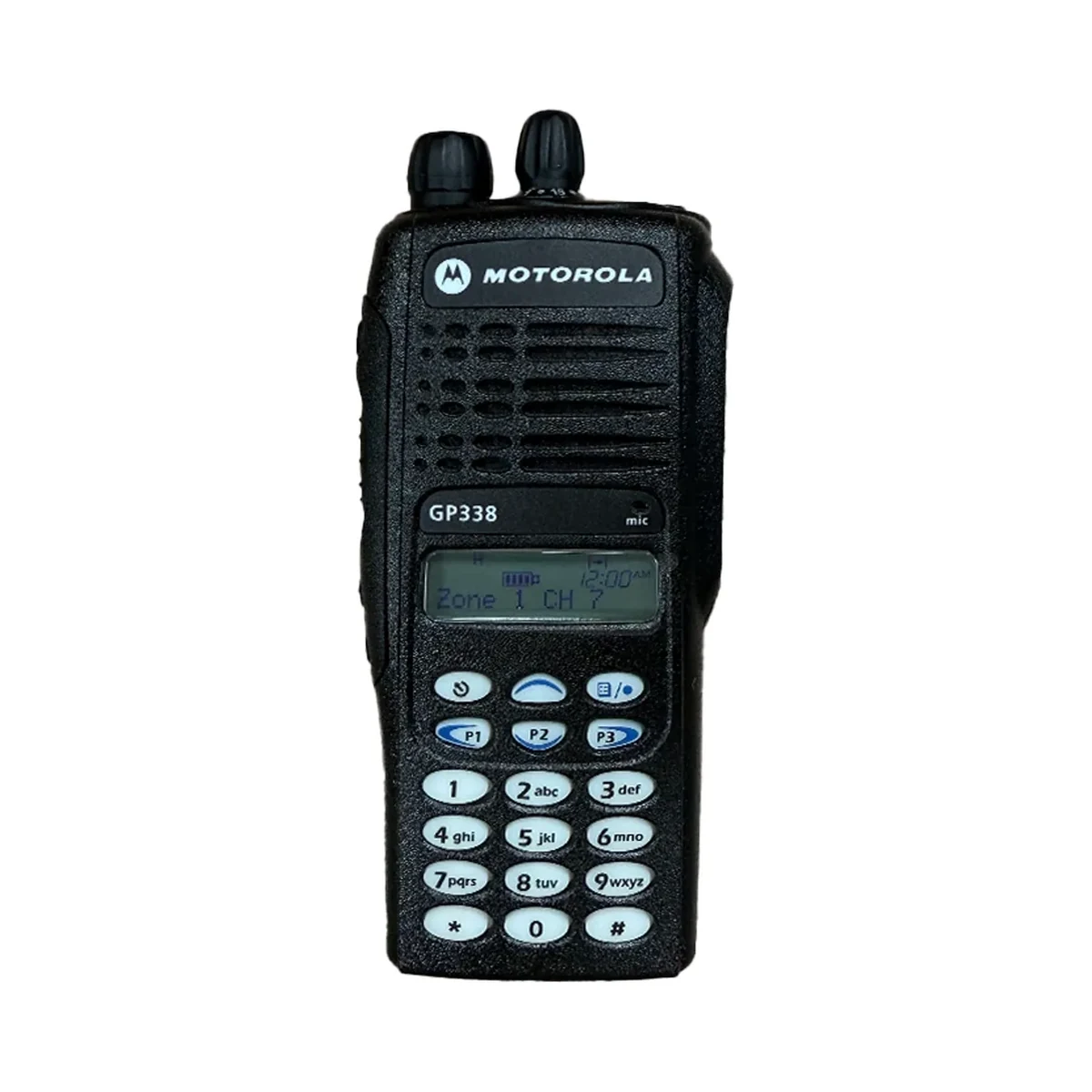
Walkie Talkie in the GP family. Bands VHF/UHF. Channel capacity 128. Ingress protection IP54.
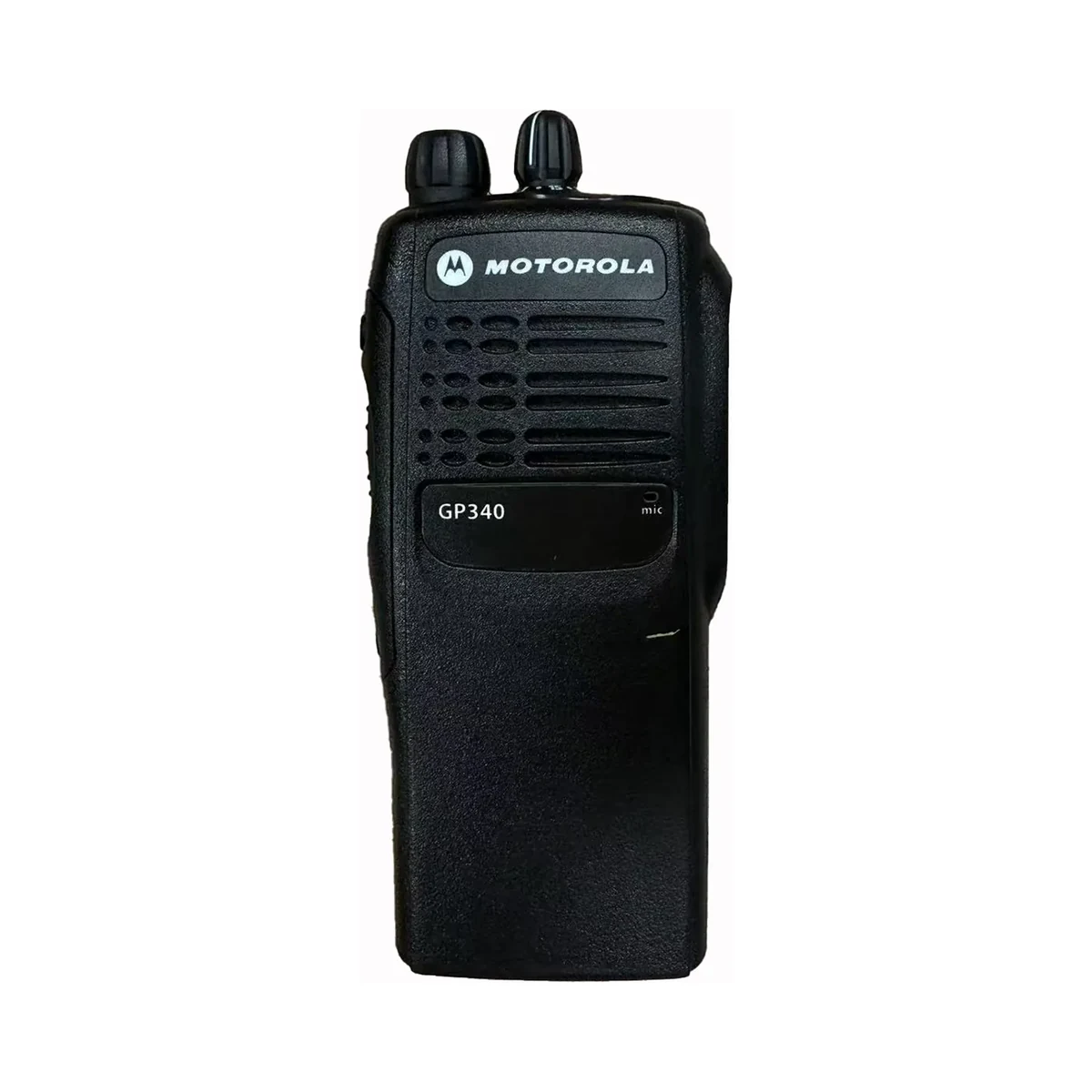
Walkie Talkie in the GP family. Bands VHF/UHF. Channel capacity 16. Ingress protection IP54.
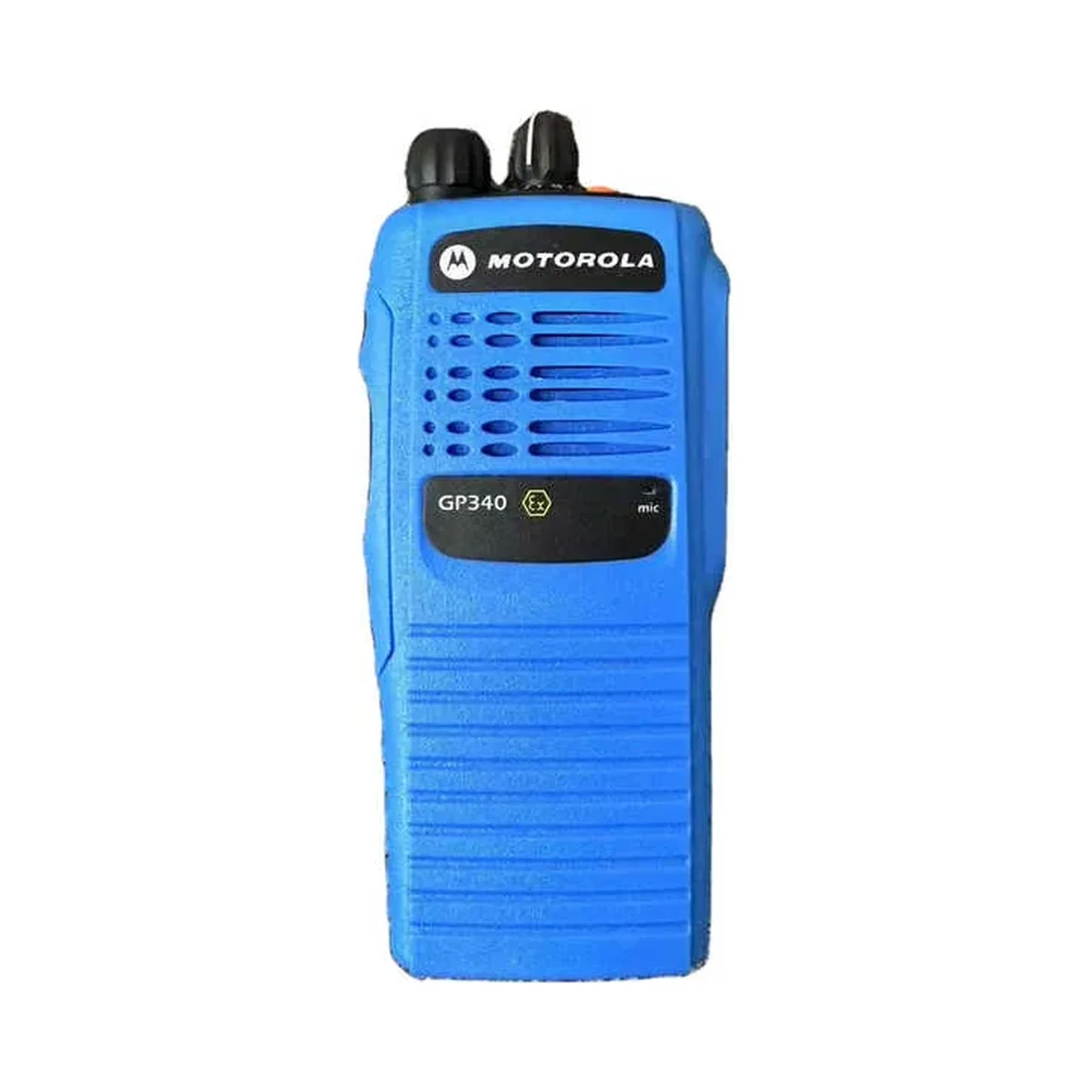
Walkie Talkie in the GP family. Bands VHF/UHF. Channel capacity 16 / 255. Ingress protection IP54.
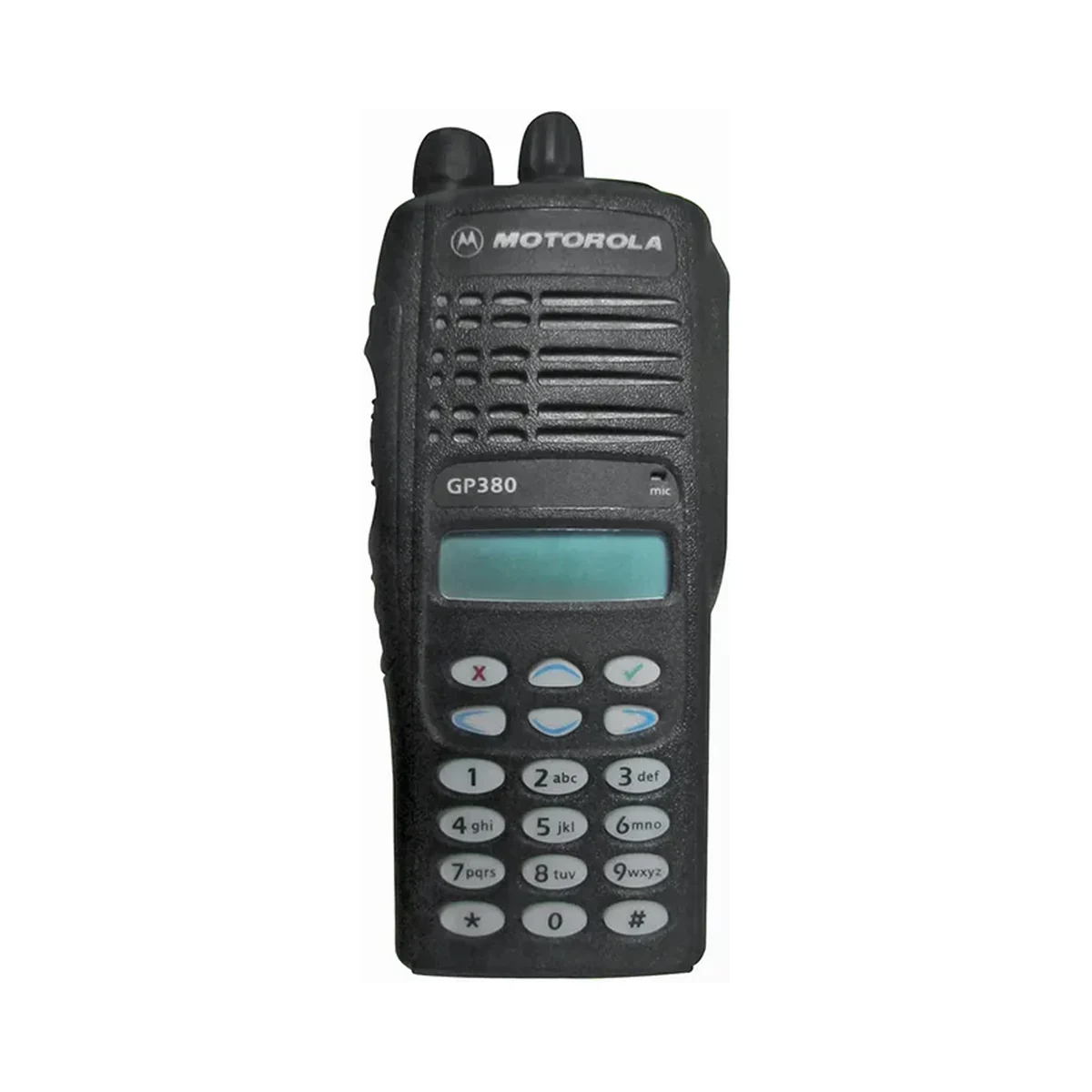
Walkie Talkie in the GP family. Bands VHF/UHF. Channel capacity 255. Ingress protection IP54.
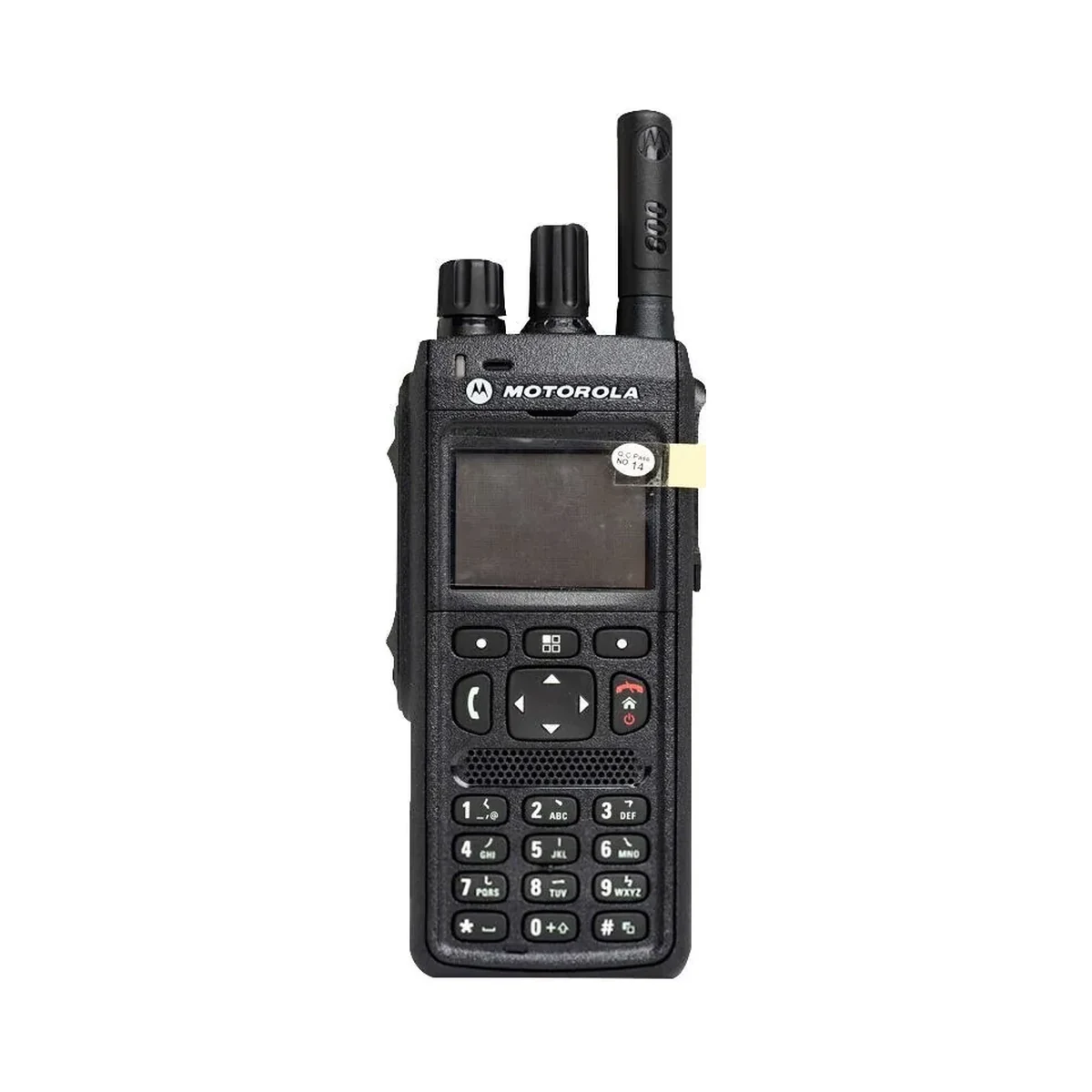
Walkie Talkie in the MTP family. Bands TETRA. Channel capacity System-based. Ingress protection IP55/65.
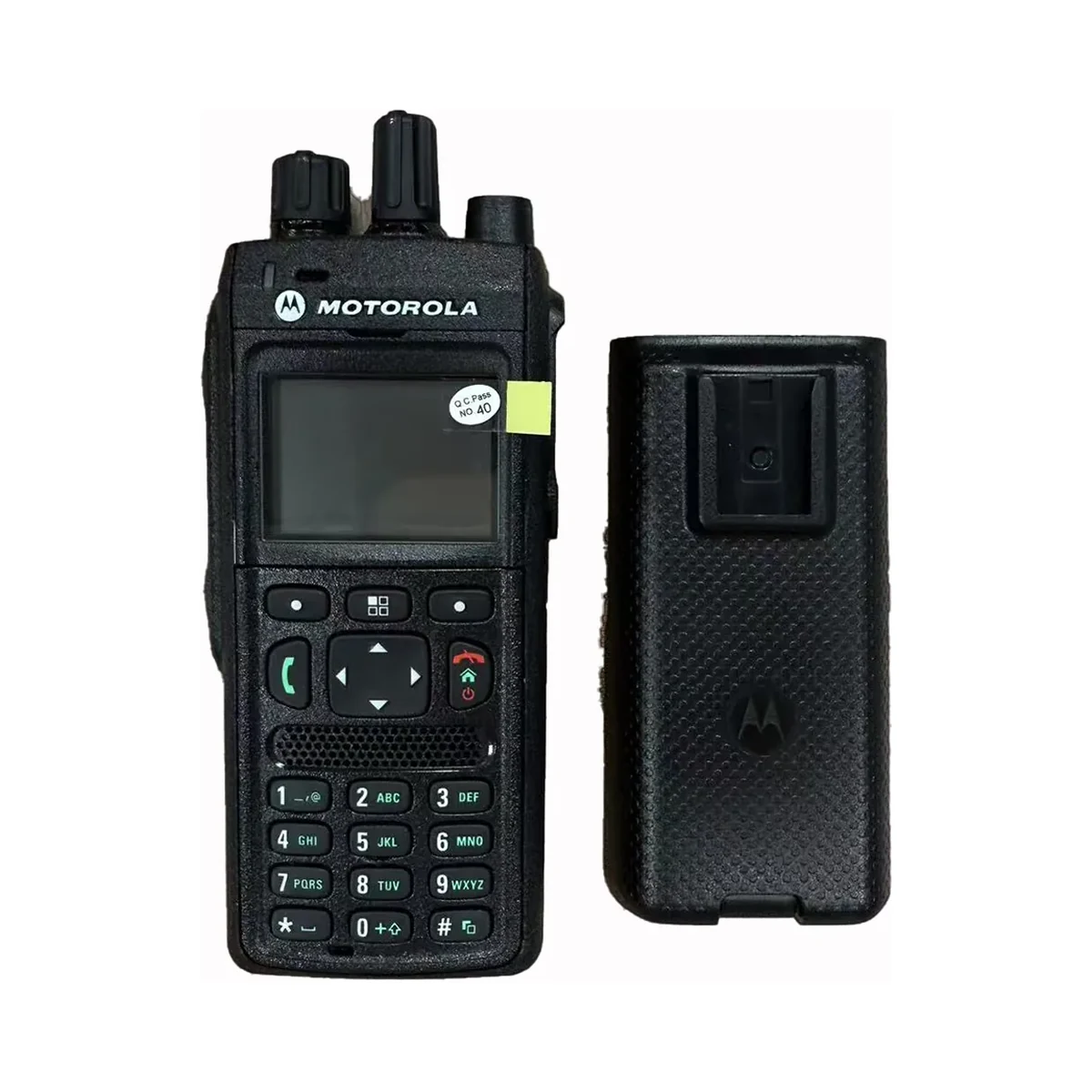
Walkie Talkie in the MTP family. Bands TETRA. Channel capacity System-based. Ingress protection IP55/65.
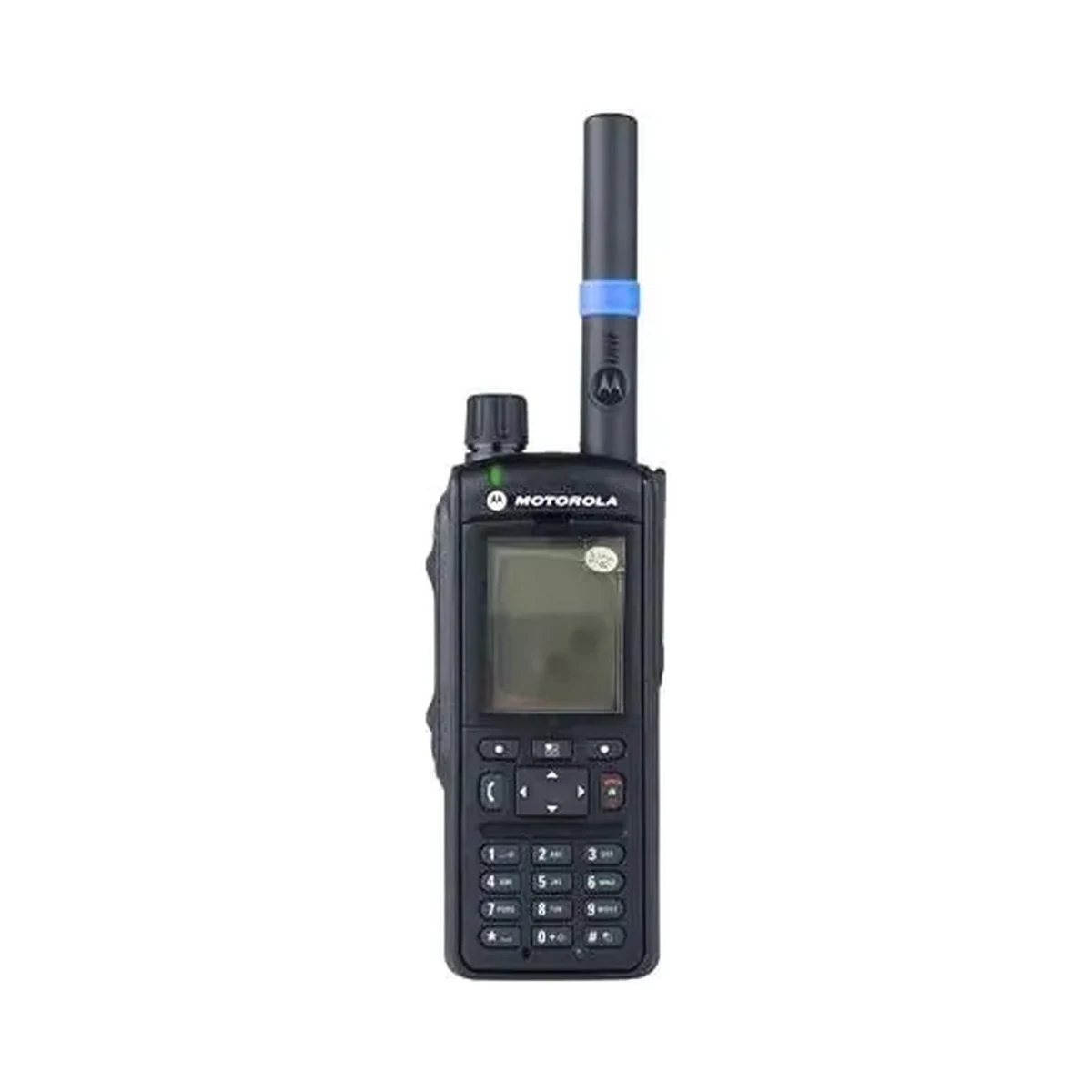
Walkie Talkie in the MTP family. Bands TETRA. Channel capacity System-based. Ingress protection IP55/65.
Walkie Talkie in the MTP family. Bands TETRA. Channel capacity System-based. Ingress protection IP55/65.
Walkie Talkie in the MTP family. Bands TETRA. Channel capacity 2048 / 1024 talkgroups. Ingress protection IP55/65.
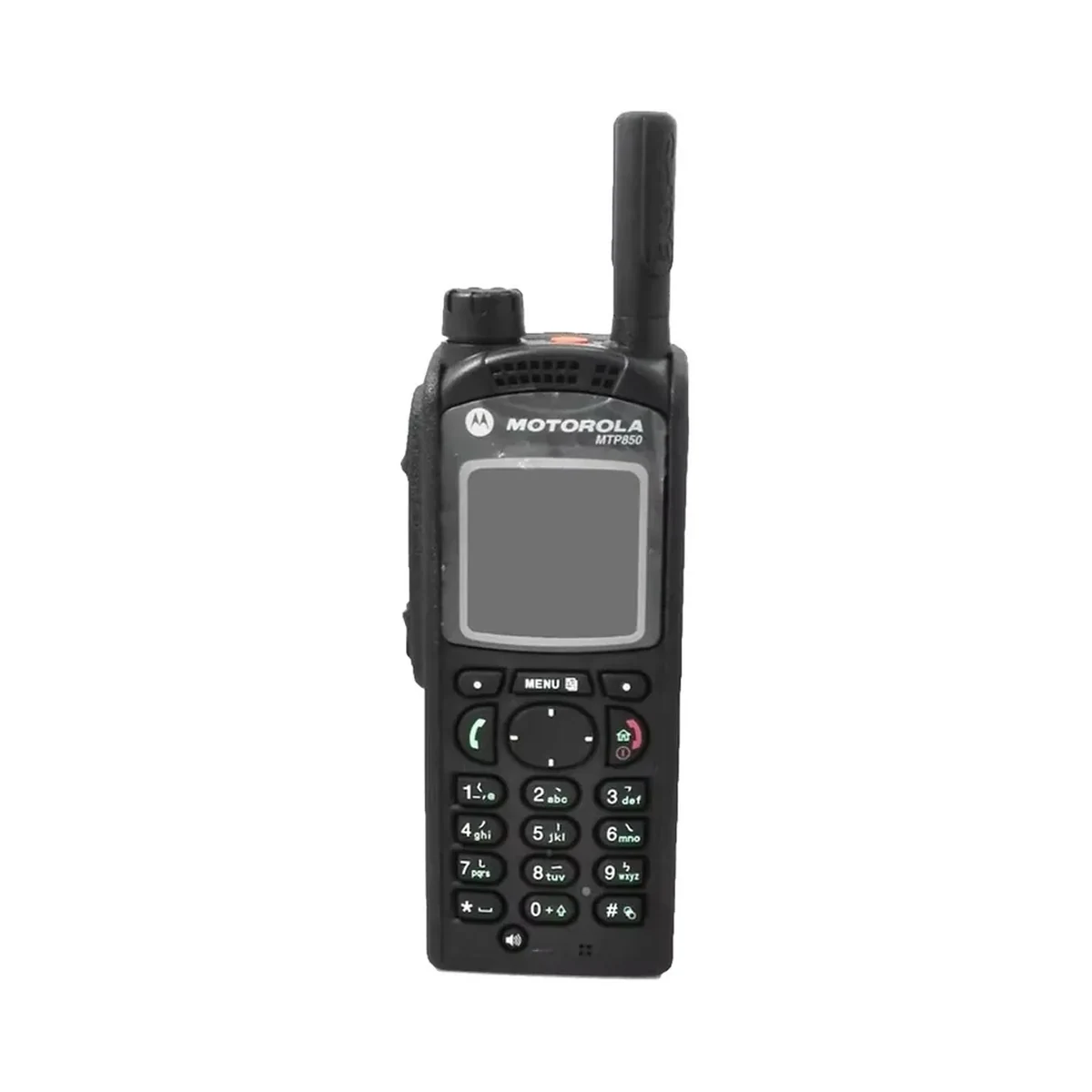
Walkie Talkie in the MTP family. Bands TETRA. Channel capacity 2048 / 1024 talkgroups. Ingress protection IP54.
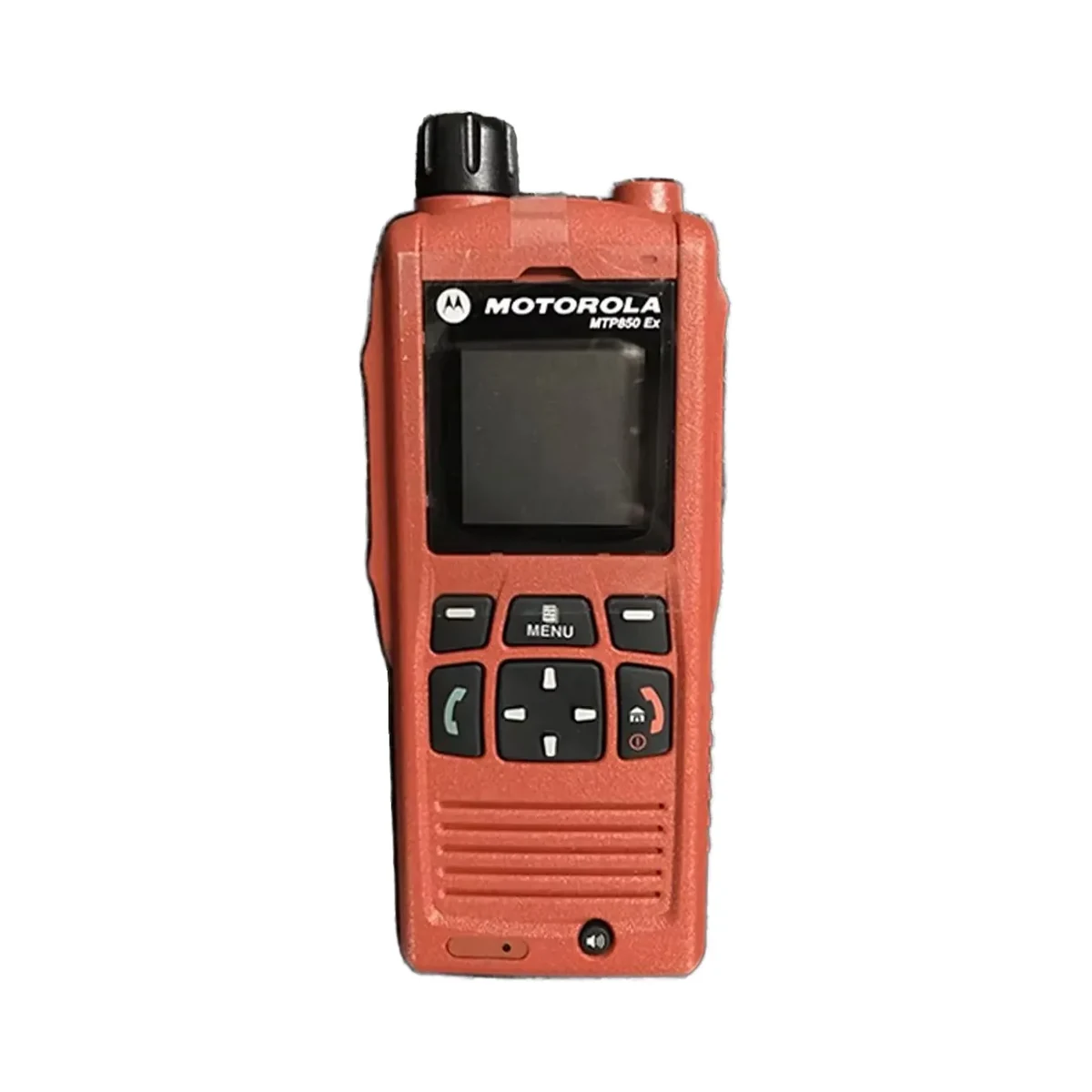
Walkie Talkie in the MTP family. Bands TETRA. Channel capacity 2048 / 1024 talkgroups. Ingress protection IP55.
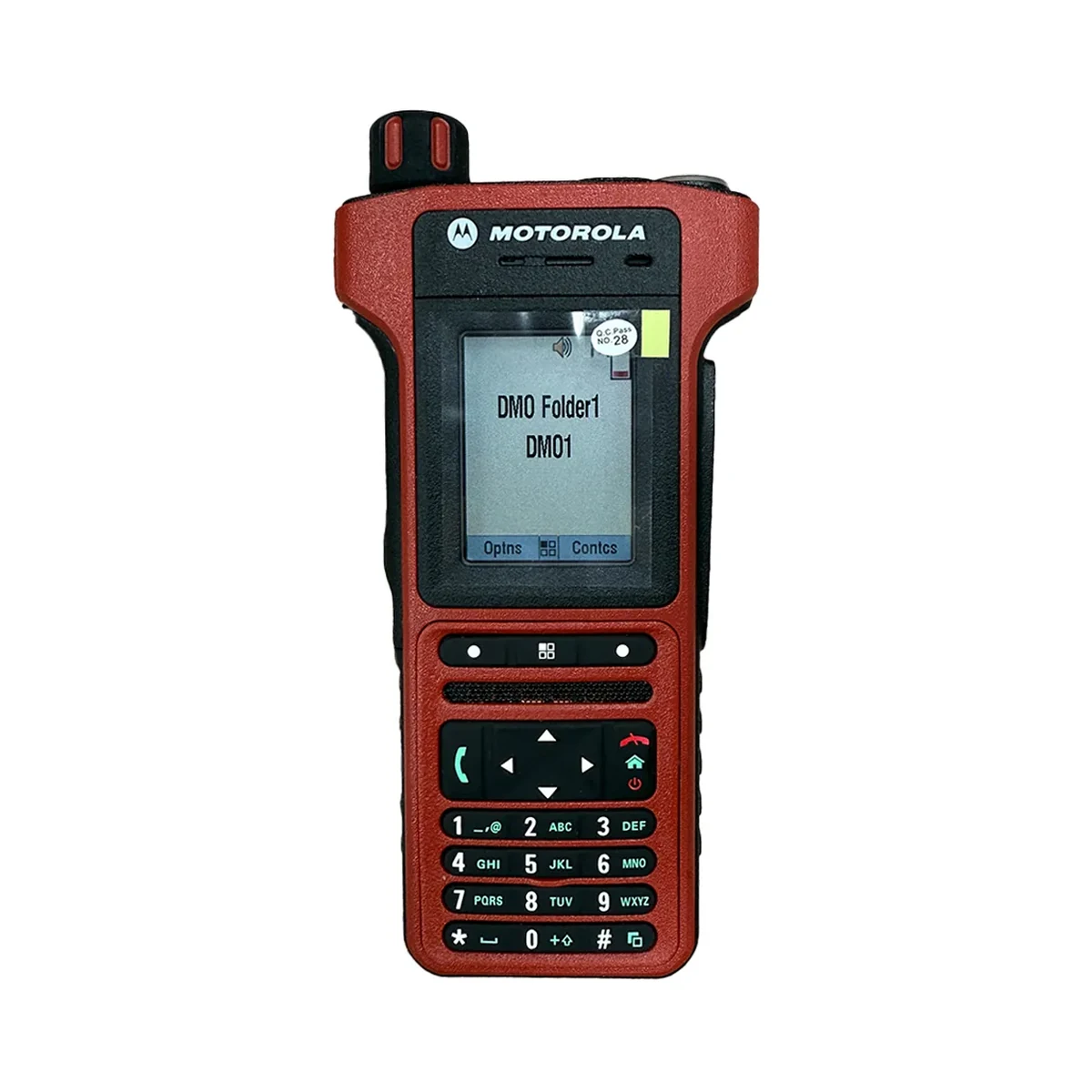
Walkie Talkie in the MTP family. Bands TETRA. Channel capacity System-based. Ingress protection IP55/65.
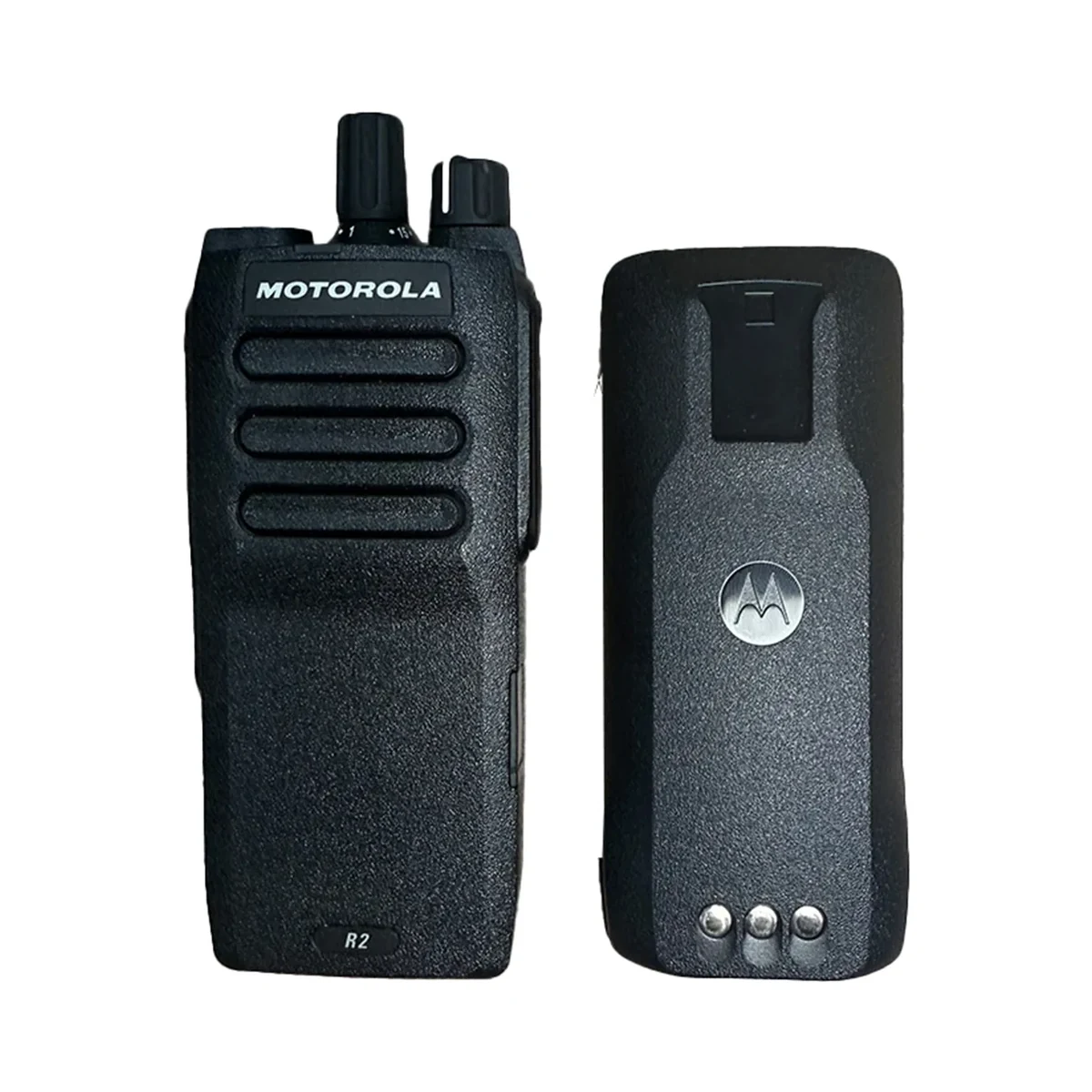
Walkie Talkie in the R family. Bands VHF/UHF. Channel capacity 64. Ingress protection IP55.
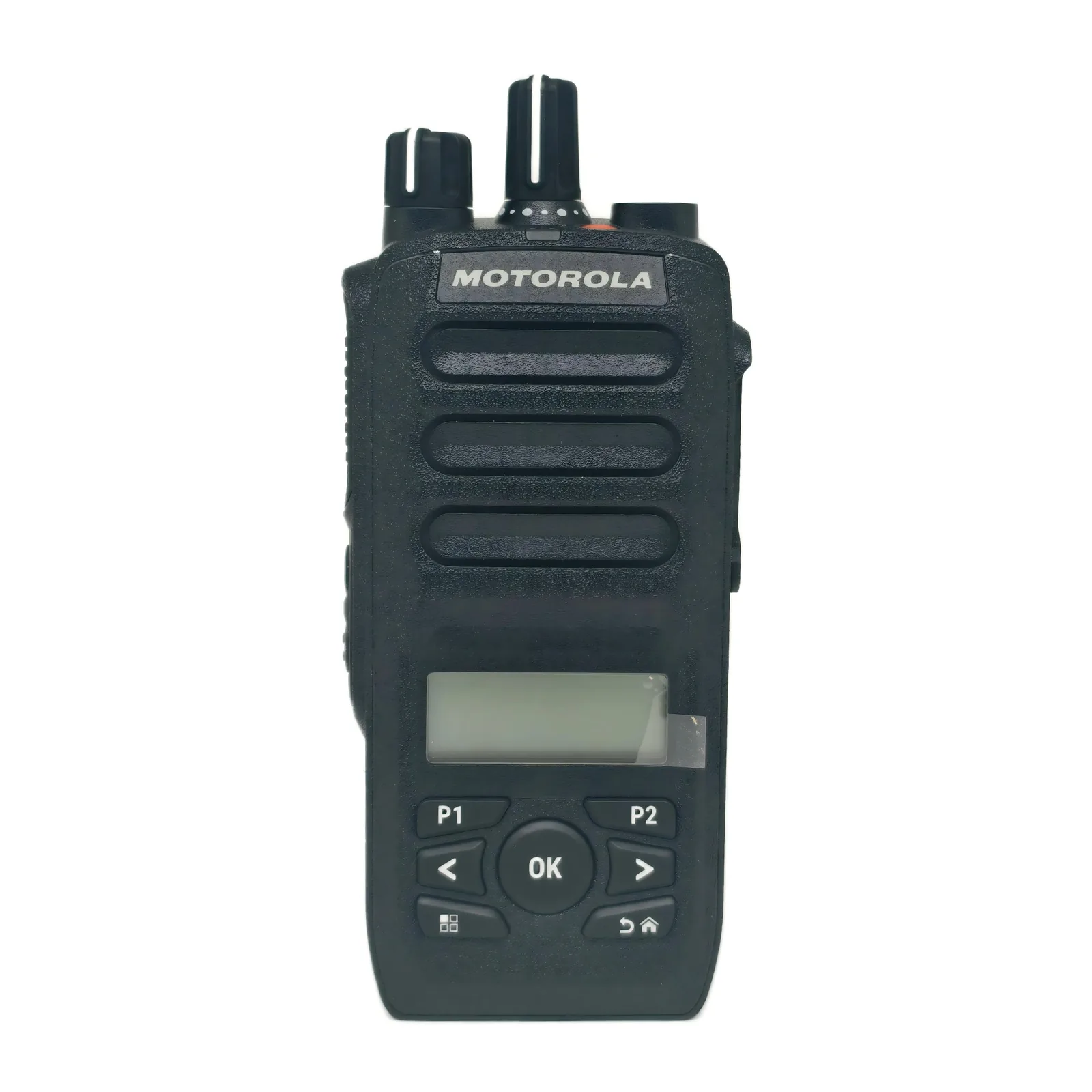
Walkie Talkie in the R family. Bands VHF/UHF. Channel capacity 256. Ingress protection IP67.
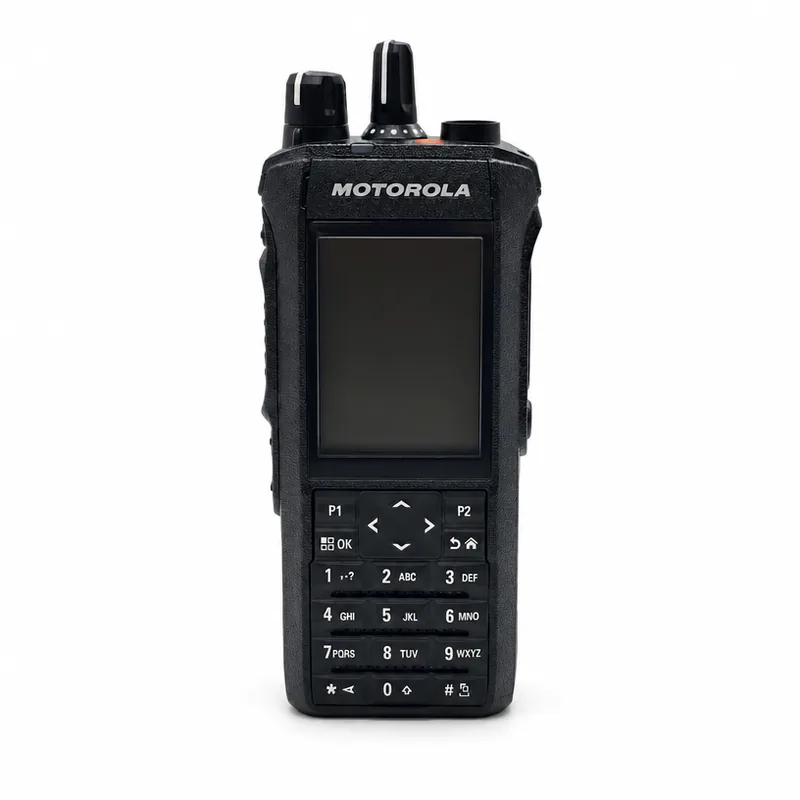
Walkie Talkie in the R family. Bands VHF/UHF/800/900. Channel capacity 1000. Ingress protection IP66/68.
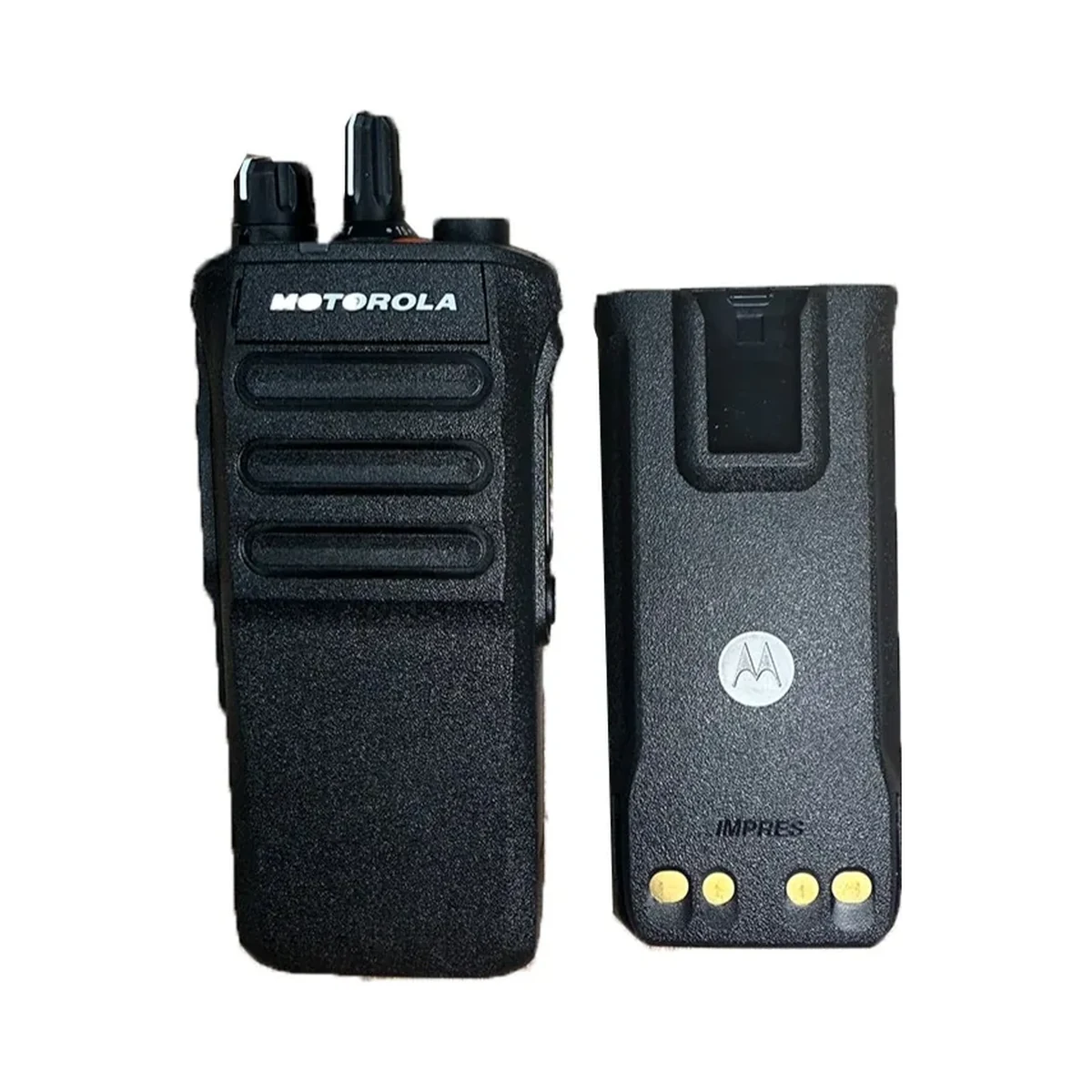
Walkie Talkie in the R family. Bands VHF/UHF/800/900. Channel capacity 64. Ingress protection IP66/68.
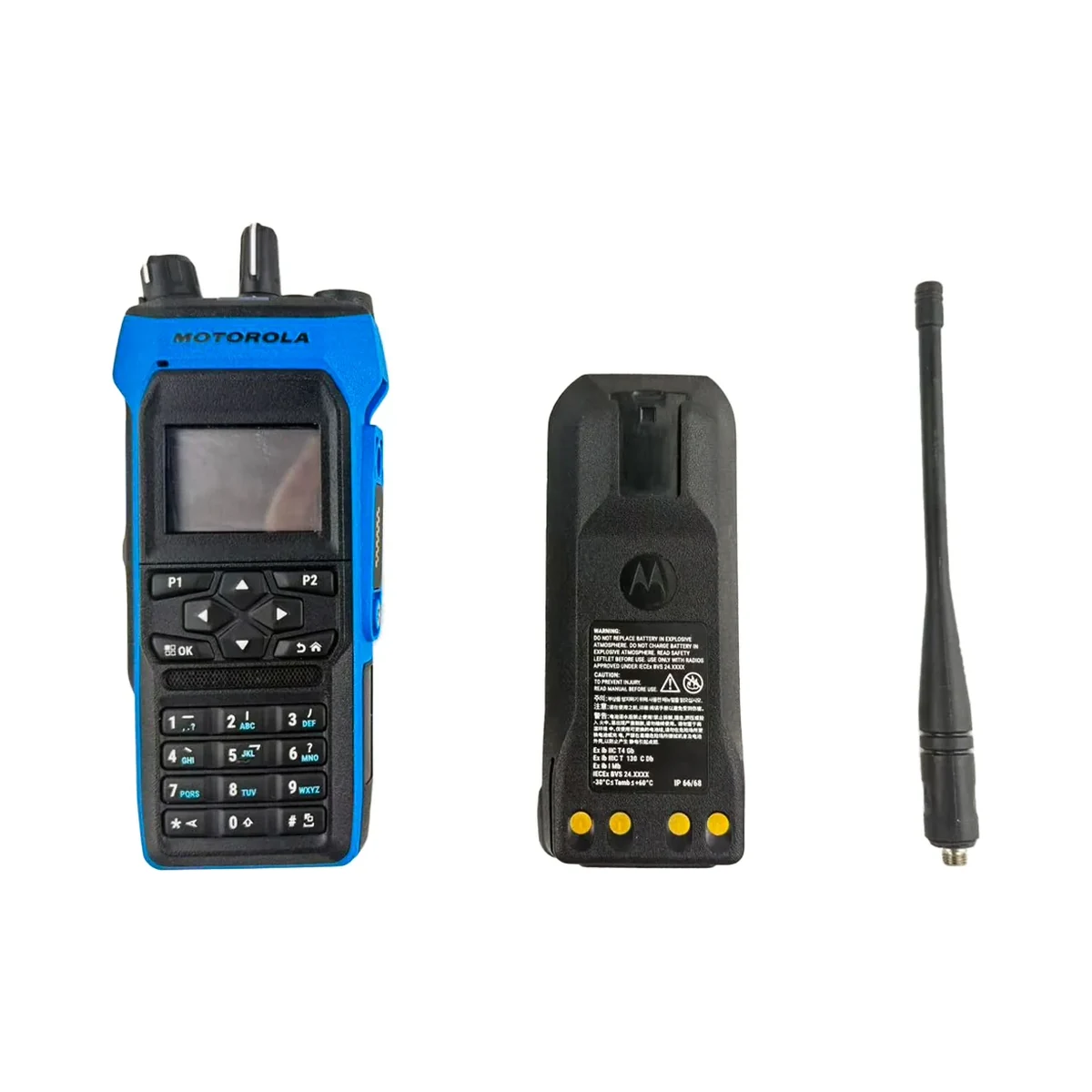
Walkie Talkie in the R family. Bands UHF. Channel capacity 1000. Ingress protection IP66/68.
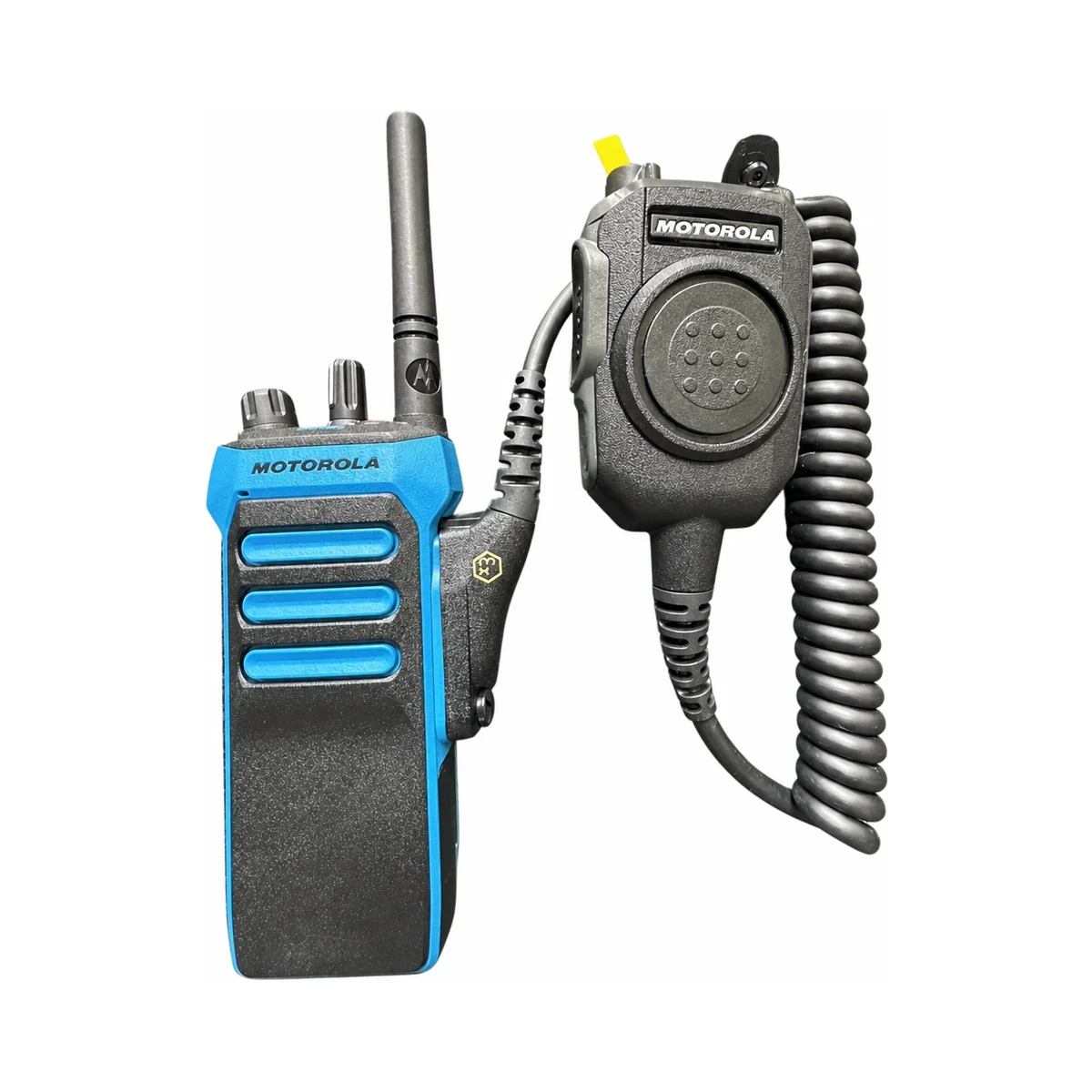
Walkie Talkie in the R family. Bands UHF. Channel capacity 64. Ingress protection IP66/68.
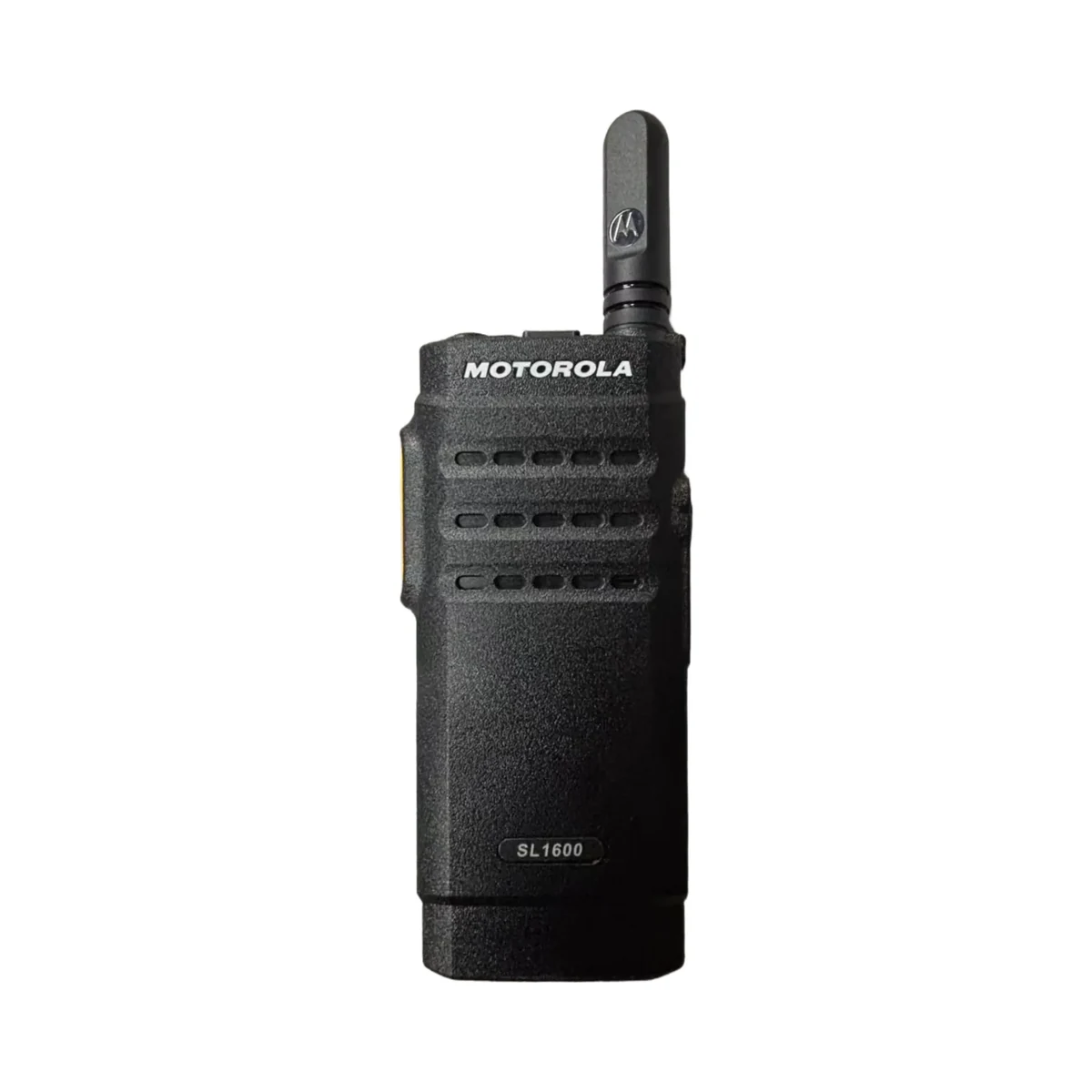
Walkie Talkie in the SL family. Bands VHF/UHF. Channel capacity 99. Ingress protection IP54.
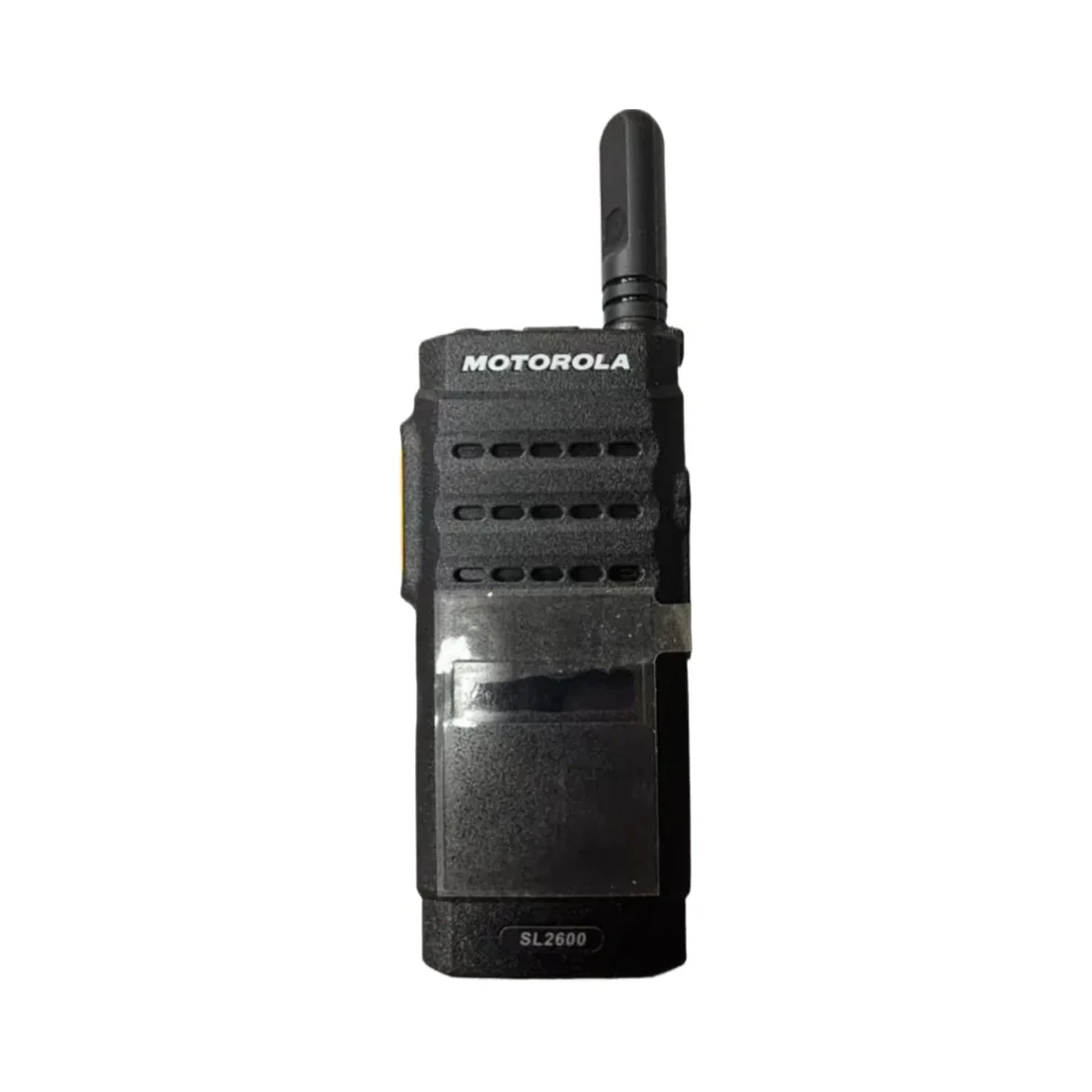
Walkie Talkie in the SL family. Bands VHF/UHF. Channel capacity 256. Ingress protection IP54.
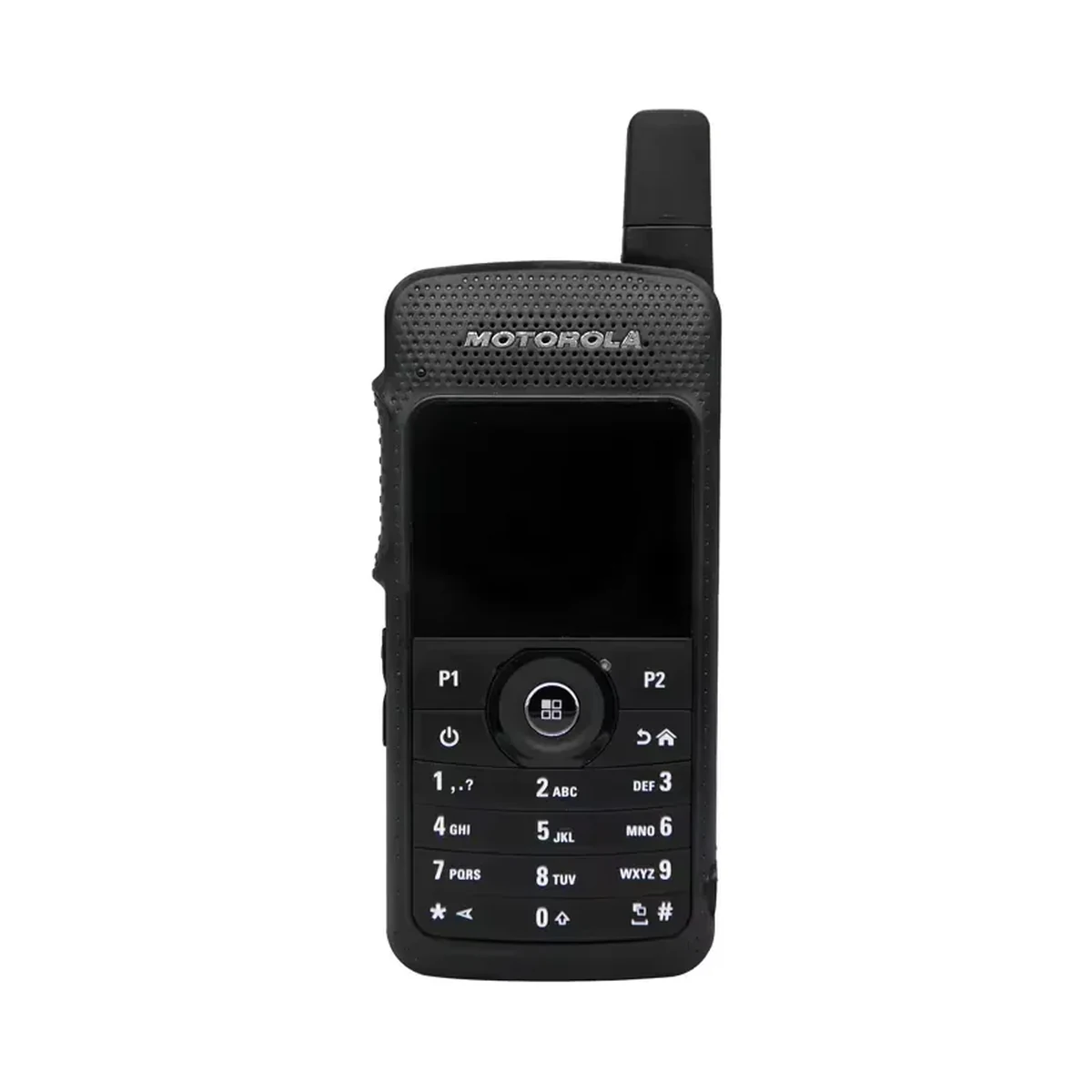
Walkie Talkie in the SL family. Bands UHF. Channel capacity 1000. Ingress protection IP54.
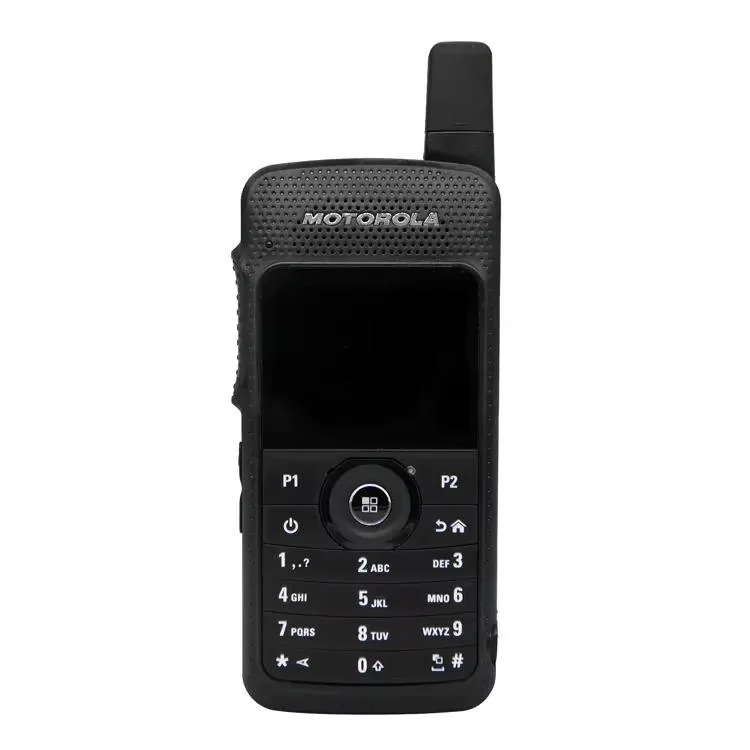
Walkie Talkie in the SL family. Bands UHF. Channel capacity 1000. Ingress protection IP54.
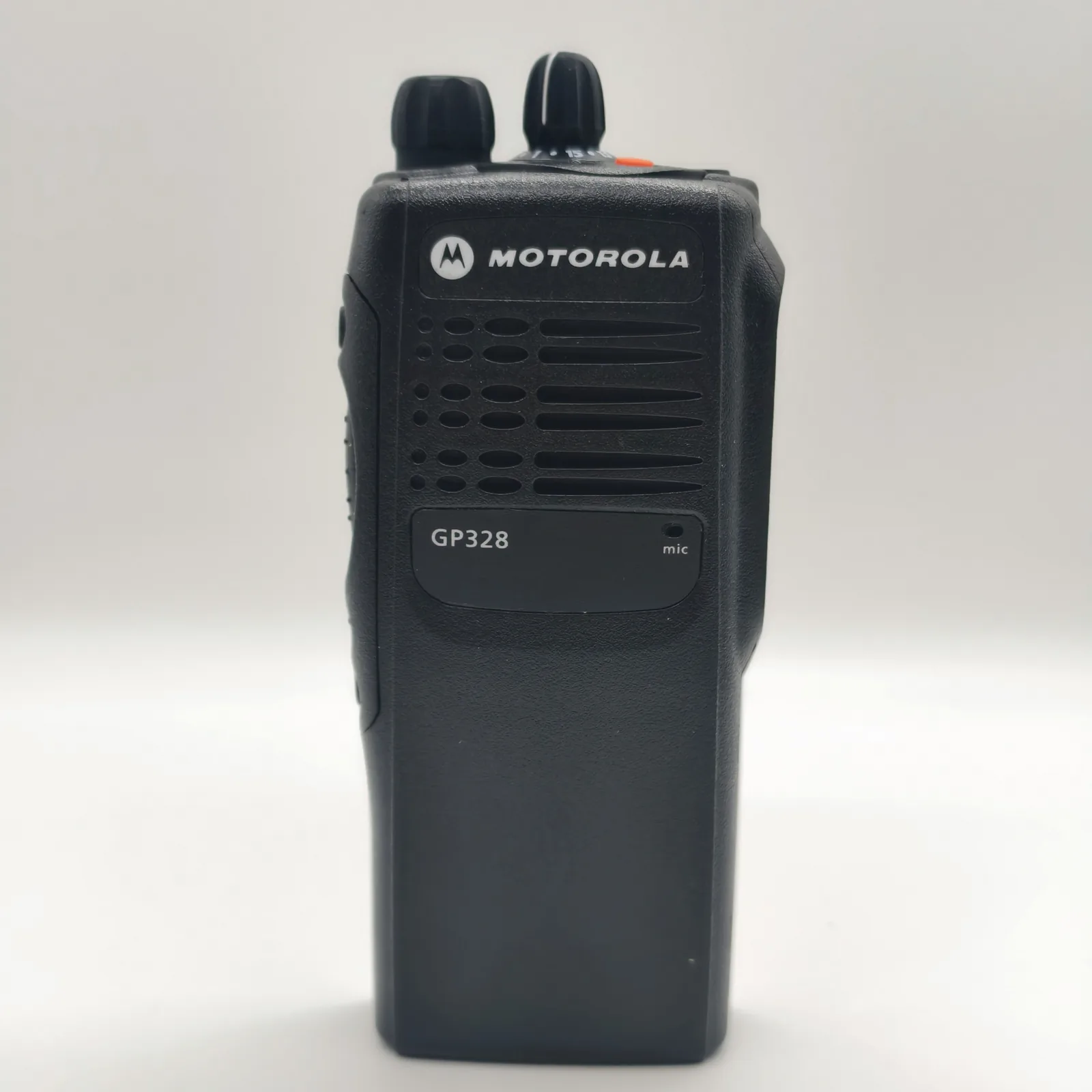
Portable in the GP family. No parameter has been recorded for this identifier yet, so none is published; the photograph supplied for it is shown instead.
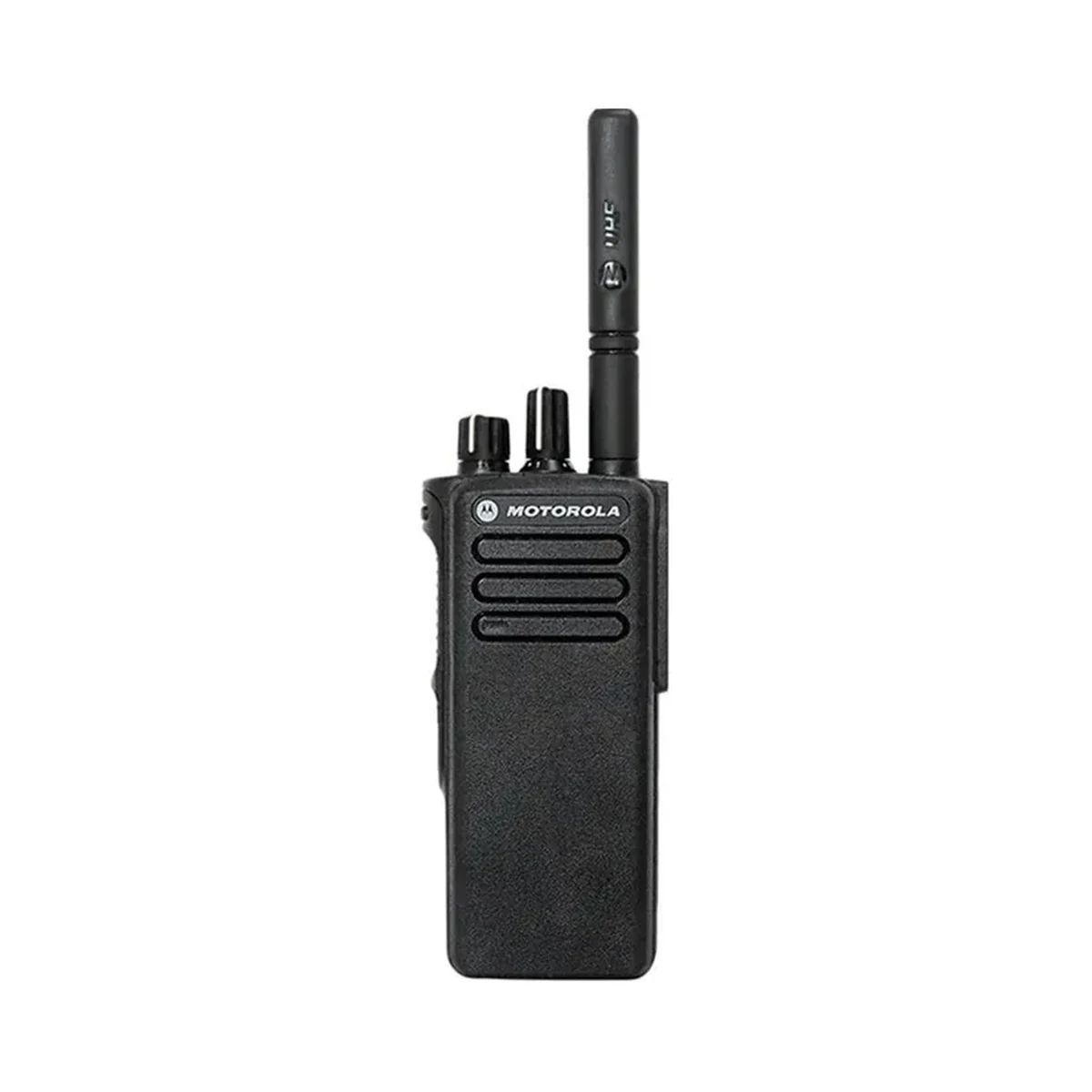
Walkie Talkie in the DP family, supplied under the DP4400, DP4400e and DP4401 designations. All three are VHF/UHF, Analog and DMR. The source catalogue records the DP4400 and DP4401 builds with 32 channels, IP57 and a 300 MHz addition, and the DP4400e build with 64 channels, IP68 and an 800 MHz addition, so neither a single channel figure nor a single ingress protection rating is published on this page. Confirm the build you need before ordering: these designations are not interchangeable on band, channel capacity or ingress protection.
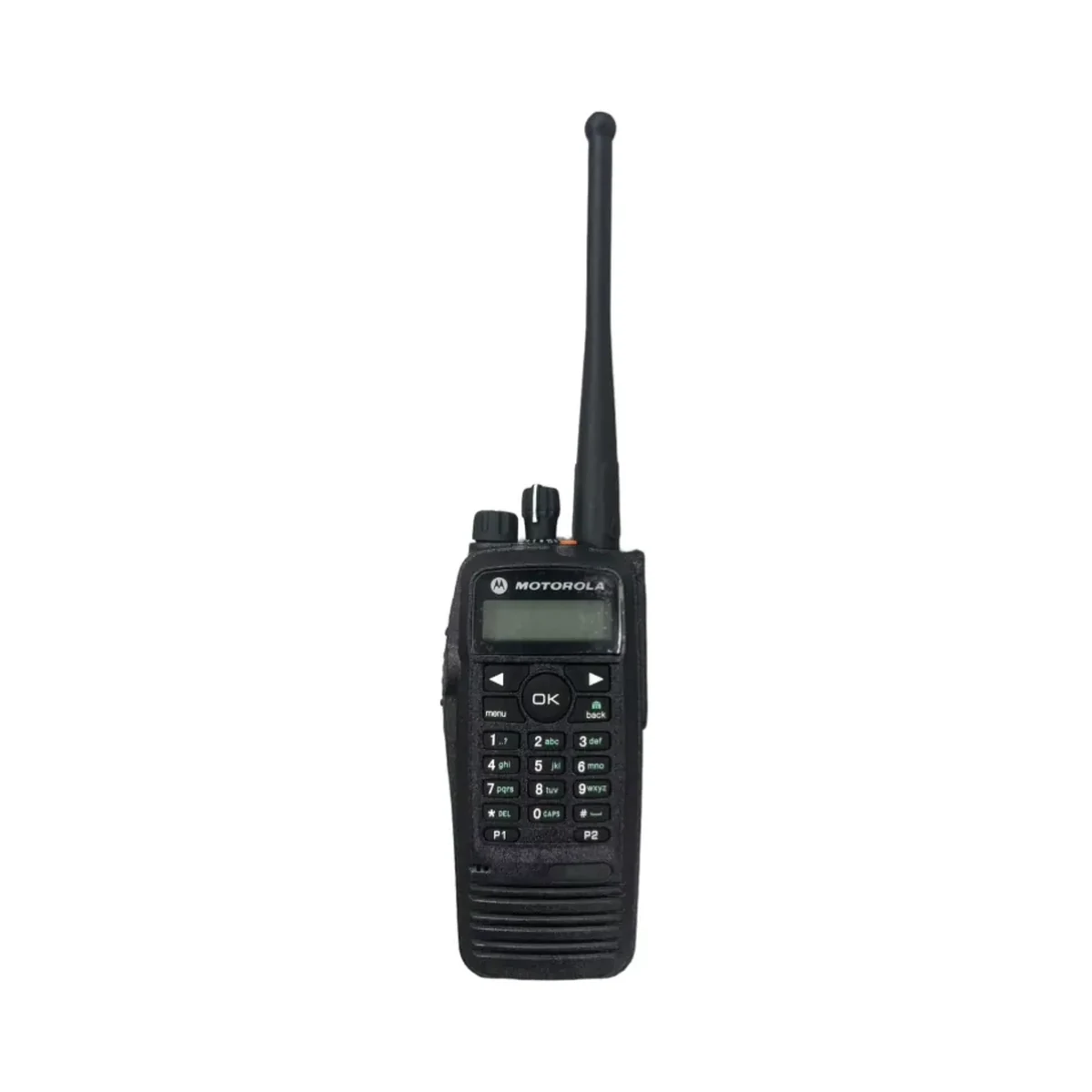
Walkie Talkie in the DP family, supplied under the DP3600 and DP3601 designations. Bands VHF/UHF. Channel capacity 1000. Ingress protection IP57. The source catalogue records the same parameters for both builds.
Each note below names this catalogue page as the place to check its own claims against a recorded parameter. They are listed here so the route exists in both directions.
Yes, as a family relationship — and that is the whole of the claim. This catalogue records three counterparts for the DP1400, one per market, and none of them is a specification.
Mining ranks requirements differently from an office or a hotel: the equipment is abused, shifts are long, and a flat battery stops a section rather than a conversation.
A guarding operation buys for people who were trained this morning and may not be here next month. That changes the specification before any model is named, and it changes what the fleet actually costs to run.
A warehouse is the one site where adding more building makes coverage worse. Racking, machinery and noise change the specification before the model list is reached, and the shift pattern decides how the fleet is charged.
Most fleets need both, and the ratio is set by counting posts rather than people. Three things change with the form factor: where the antenna sits, what powers the radio, and who signs it out.
The numbering reads like a sequence. The records describe four builds: IP57 on two, IP68 on one, IP67 on the Ex, and a UHF ceiling that drops on the Ex alone.
Minimum order is 2 units, of one identifier or across a category. The per-unit price steps at 20, 50, 100 units, stock moves in about 3 days and a built unit in 12–20 days, spares run at 2 per 100 and packing at 10 to a carton. Radios can be programmed to your channel plan before dispatch. The trade terms in full, or have a site sized first.
Answered from the records on this page. Where an answer depends on your own network or licence, it says so rather than guessing on your behalf.
15 identifiers record P25: 14 APX and 1 SRX. No other family in this category lists it.
Yes — 8 MTP identifiers, all recorded at 350 MHz. If your network is elsewhere in the TETRA band, that is a different build and needs to be specified.
It runs from IP54 to IP68 and it is recorded per identifier, not per family. Where the figure depends on configuration the record says so — for example "IP68 (2 m/4 h, configuration-dependent)" — rather than publishing one number.
29 identifiers list DMR and Analogue in the same record, which is the manufacturer's statement that both modes are carried. Whether your existing fleet can be reached on a given channel plan is a programming question — confirm it against your own plan before ordering.
Catalogue coverage reflects the identifiers this operation currently records. A model absent from this list may still be sourced; send the identifier and we will confirm.
Every parameter row carries a source position. A row shows either a reachable source with its verification date, or an explicit pending state. A value is never published without one of the two.Enquiry
Send the destination country, the band you are licensed for and the quantity. The configuration is confirmed before any PI is issued.